Restoring Foot Function: Biomechanical Correction for Plantar Fasciitis & Heel Pain
 What is Plantar Fasciitis?
Dr. James Fraser | Doctor of Chiropractic
Understanding the Condition
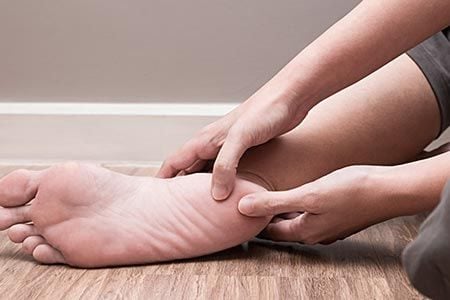
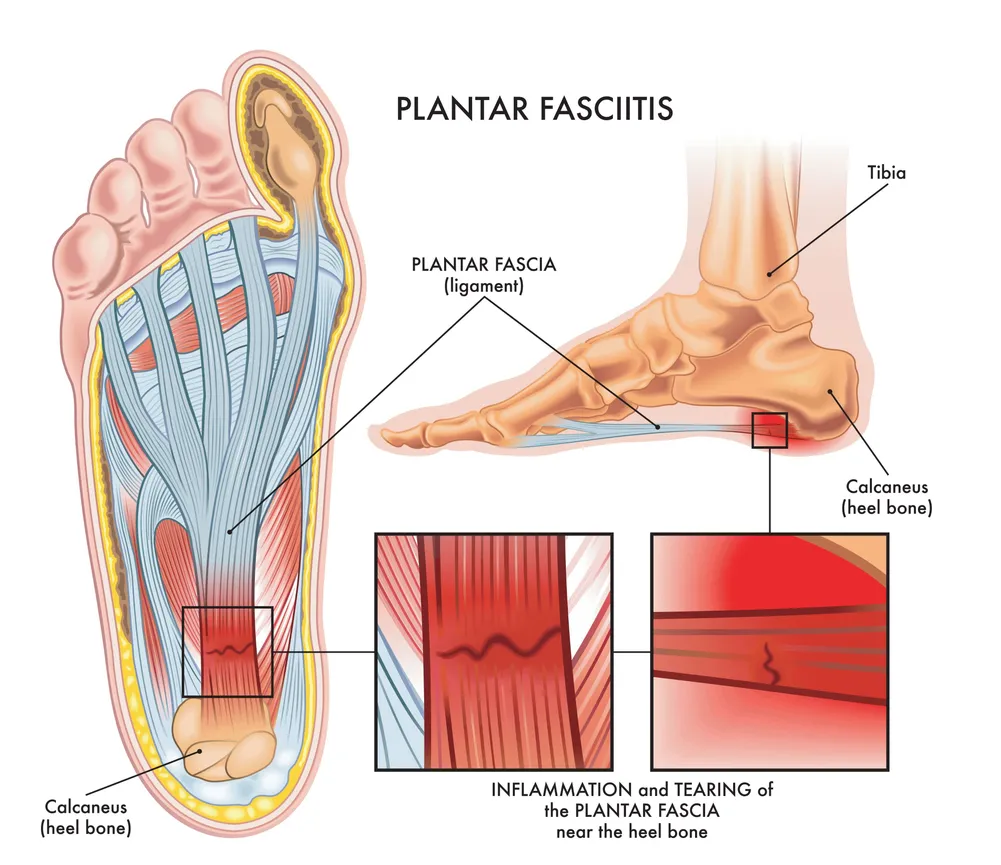
Plantar fasciitis is a painful inflammatory condition affecting over three million people in the U.S. each year. Common symptoms of plantar fasciitis include heel pain, stiffness, and discomfort localized in the heel area, often accompanied by pain radiating into the arch. This ailment occurs due to inflammation of the thick band of tissue, known as the plantar fascia, which runs along the bottom of the foot and connects the heel and toe bones. Repetitive stress from activities like running or prolonged standing can cause micro-injuries that lead to the development of plantar fasciitis. Excessive strain on the plantar fascia can cause inflammation and micro-tears, which are key factors in developing plantar fasciitis. Individuals suffering from plantar fasciitis often experience significant discomfort—a painful condition—particularly while standing or walking. Patients frequently report sharp or stabbing pain and stiffness in the heel area, especially during their first few steps in the morning or after prolonged periods of rest or activity. Acute pain, often described as sharp or stabbing, is a common symptom and can cause severe pain, especially during the first steps in the morning. Plantar fasciitis can significantly impact daily activities and mobility if left untreated. Plantar fasciitis develops over time due to risk factors such as repetitive stress and biomechanical issues. Individuals may develop plantar fasciitis due to an inflammation tear in the plantar fascia, which results from excessive strain and repetitive stress. At Spine Spot Chiropractic in Basalt, Colorado, Dr. James Fraser has extensive experience in treating this condition and is ready to help you find relief.
Anatomy of the Plantar Fascia
The Structure's Role
The plantar fascia is a thick ligament that serves as a continuation of the Achilles tendon, connecting the heel bone (calcaneus) to the toes. This crucial structure supports the arch of the foot, and without its proper function, standing and walking can become both difficult and painful.
Symptoms of Plantar Fasciitis and Heel Pain
Identifying the Symptoms
The primary symptom of plantar fasciitis is heel pain, although some individuals may also report discomfort in the center of the foot. This pain can often be described as feeling like "walking on broken glass" and is typically worse in the morning or after extended periods of rest. Symptoms can vary widely, from mild, dull pain to severe, sharp, or burning sensations. Notably, the pain often improves after a few initial steps but may return following activity.
Causes of Plantar Fasciitis
Common Contributing Factors
Plantar fasciitis can arise from several underlying factors, including:
- Tight Achilles Tendon: The connection between the plantar fascia and Achilles tendon means issues in one can affect the other.
- Rapid Weight Gain: Conditions like pregnancy can place additional strain on the plantar fascia.
- Long-Distance Running or Prolonged Standing: Those who spend significant time on their feet are at increased risk.
- Poor Footwear: Shoes lacking proper support can exacerbate the condition.
- Foot Structure: High arches or flat feet can create added stress on the plantar fascia.
If you suspect that you have plantar fasciitis, it's crucial to seek evaluation and care, especially if your pain persists.
Treatment of Plantar Fasciitis
Effective Treatment Options
Various effective treatments are available to address plantar fasciitis at Spine Spot Chiropractic, including:
- Chiropractic Adjustments: These can relieve pressure and restore alignment in the foot and ankle.
- Therapeutic Exercises: Targeted stretches and strengthening exercises to improve flexibility and promote healing of the plantar fascia.
- Soft Tissue Techniques: Methods like myofascial release help alleviate tension in the affected muscles and tissues.
- Cold Laser Therapy: This therapy reduces inflammation and enhances healing by delivering low-level laser light to the affected area.
- Nutritional Guidance: Recommendations to support overall health and recovery.
Custom Orthotics and Foot Support
Custom orthotics play a vital role in chiropractic care for plantar fasciitis by providing targeted support and stability to the foot. When the plantar fascia is inflamed or overstressed, everyday activities can lead to persistent heel pain and arch pain. Custom orthotic inserts are recommended to address abnormal foot mechanics contributing to plantar fasciitis, as they are designed to correct biomechanical issues and provide adequate arch support. Custom orthotics are designed to address these issues by redistributing pressure across the foot, reducing strain on the plantar fascia, and promoting a more balanced gait.
Evaluating the wear on your shoes can help determine if they provide adequate support or if worn footwear may be contributing to your plantar fasciitis. Bringing your shoes to appointments allows for proper assessment of wear and ensures you receive the best recommendations for support.
Unlike generic shoe inserts, custom orthotic inserts are crafted to match the unique contours of your feet, ensuring a precise fit that delivers optimal support where you need it most. This personalized approach helps alleviate pain not only in the heel but also throughout the arch, making it easier to stand, walk, and move comfortably. Your chiropractor may recommend custom orthotic inserts as part of a comprehensive treatment plan for plantar fasciitis, especially if abnormal foot mechanics are contributing to your symptoms.
Incorporating custom orthotics into your chiropractic care for plantar fasciitis can enhance the effectiveness of other treatments, such as adjustments and therapeutic exercises. By supporting the arch and maintaining the proper position of the foot, custom orthotics help prevent further irritation of the plantar fascia and contribute to long-term relief from fasciitis-related discomfort. If you’re seeking comprehensive care for plantar fasciitis, custom orthotics may be an essential part of your treatment plan, helping you get back on your feet with less pain and greater confidence.
How Chiropractic Care Can Help Plantar Fasciitis
A Holistic Approach
Chiropractic care offers a holistic approach to treating plantar fasciitis, addressing both symptoms and underlying causes. Dr. Fraser focuses on restoring proper alignment and function to the foot, ankle, and related structures through manual therapy and adjustments.
Benefits of Chiropractic Care for Plantar Fasciitis
Natural Healing
Chiropractic care provides a conservative, drug-free approach to managing plantar fasciitis. By emphasizing the body's natural healing processes, patients can expect reduced inflammation, improved foot function, and enhanced mobility over time.
Choosing Chiropractic Care for Plantar Fasciitis
Personalized Treatment Plans
If you experience symptoms of plantar fasciitis, consulting with Dr. James Fraser at Spine Spot Chiropractic is a proactive step toward relief. With personalized and evidence-based care, Dr. Fraser will evaluate the root cause of your heel pain and collaborate with you to develop a tailored treatment plan that alleviates symptoms and fosters lasting recovery.
Schedule Your Appointment Today!
Take the First Step Toward Healing
Don't let plantar fasciitis hold you back. Contact Spine Spot Chiropractic today to schedule your appointment and take the first step toward a healthier, more active lifestyle!
Explore More Conditions Treated
Heel pain can be caused by other causes and other potential causes beyond plantar fasciitis, such as heel spurs, bone spurs, Achilles tendonitis, and cracked heels. A thorough physical exam and physical examination, along with imaging tests like X-rays, are important for accurately diagnosing the source of heel pain and ruling out these other potential causes. In persistent cases where heel pain lasts for several months and does not improve with conservative treatments, further evaluation may be necessary, and surgery may be considered as a treatment option.
For additional insights into other common chiropractic conditions, visit our resources section for helpful articles and information.