 Peripheral Neuropathy Relief & Nerve Restoration in Basalt
Dr. James Fraser | Doctor of Chiropractic
What is Neuropathy?
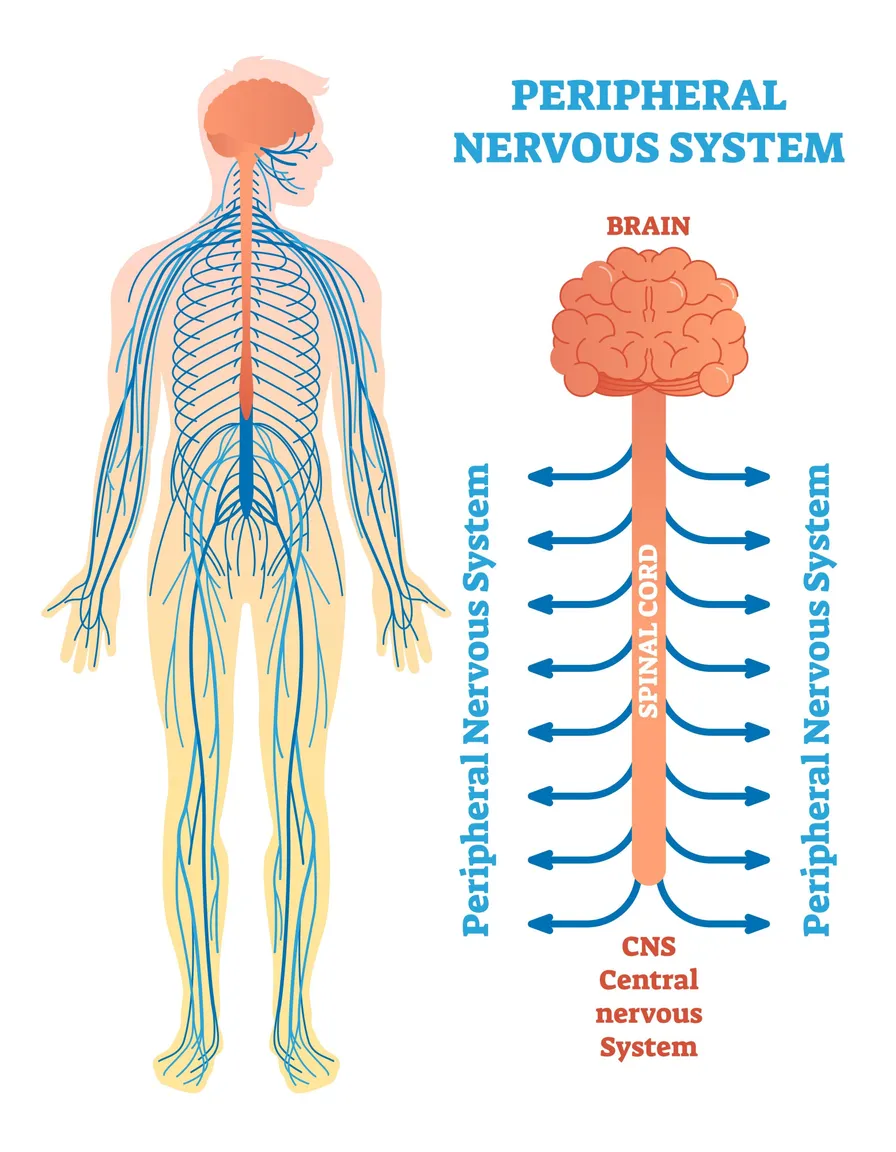
Neuropathy, commonly referred to as peripheral neuropathy, encompasses a range of symptoms resulting from damage to the nerves that branch out from the brain and spinal cord. This nerve damage disrupts the signals sent and received by the central nervous system, potentially causing distorted or blocked messages. Diabetic neuropathy is a common form of nerve damage caused by high blood sugar levels in people with diabetes. Neuropathy can affect individual nerves, such as the median nerve in the hand (leading to conditions like carpal tunnel syndrome), or multiple nerves at once, impacting various parts of the body.
What is Peripheral Neuropathy?
Peripheral neuropathy is a condition that results from damage to the peripheral nerves, which are responsible for carrying signals between the central nervous system—the brain and spinal cord—and the rest of the body. When these nerves are affected, the communication between your nervous system and muscles, skin, and organs can become disrupted. This can lead to a variety of symptoms, including nerve pain, muscle weakness, and numbness. The underlying cause of peripheral neuropathy can vary, but regardless of the source, the symptoms can greatly disrupt daily activities and overall quality of life. Because the peripheral nervous system plays such a vital role in how your body functions, it’s important to seek treatment if you notice any changes in sensation, muscle control, or pain. Early intervention can help manage symptoms, prevent further nerve damage, and restore function.
Symptoms of Neuropathy
Individuals experiencing nerve damage may encounter pain that ranges from mild to severe, which can disrupt both function and sensation. While some opt for medications that may offer limited relief, others may consider surgical options, both of which can carry risks and side effects. Some medications are specifically designed to target neuropathy pain. Pain relievers, both over-the-counter and prescription, are commonly used to manage symptoms.
In contrast, Dr. James Fraser at Spine Spot Chiropractic offers a natural approach to treating neuropathy without the risks associated with drugs or surgery, proudly serving the Roaring Fork Valley community. Some natural treatments work by disrupting pain messages sent by nerves. Other treatments, such as acupuncture or biofeedback, may also be considered for neuropathy relief.
Causes of Neuropathy
Identifying Risk Factors
Neuropathy can arise due to a variety of factors, including:
- Diabetes: High blood sugar can damage nerves, affecting 60-70% of diabetics.
- Trauma: Accidents or injuries can lead to significant nerve damage.
- Nutritional Deficiencies: A lack of essential vitamins, especially B vitamins and vitamin E, can compromise nerve function.
- Alcohol Consumption: Excessive intake depletes the body of vital nutrients and contributes to nerve problems.
- Autoimmune Diseases: Conditions such as rheumatoid arthritis and lupus can negatively impact nerve health.
- Infections: Diseases like HIV or Lyme disease may lead to neuropathy.
- Medications: Certain drugs, particularly some chemotherapy agents, may cause neuropathy as a side effect.
In many cases, the exact cause of peripheral neuropathy remains unknown, which is referred to as idiopathic neuropathy.
Diagnosis and Treatment
Diagnosing peripheral neuropathy involves a thorough evaluation that starts with a review of your medical history and a physical examination. Your healthcare provider may order blood tests to check for underlying issues such as vitamin deficiencies or diabetes, as well as imaging tests to rule out other causes of your symptoms. In some cases, a nerve biopsy may be performed to assess the extent of nerve damage. Once a diagnosis is made, treatment for peripheral neuropathy focuses on addressing the underlying cause, managing symptoms, and improving your quality of life. Treatment options may include medications to treat pain, physical therapy to enhance muscle strength and control, and lifestyle changes like adopting a healthy diet and maintaining a healthy weight. Some patients also find relief with alternative therapies such as acupuncture or capsaicin cream, which can help relieve pain and improve comfort. By working closely with your healthcare provider, you can develop a comprehensive plan to manage symptoms and support nerve health.
How Neuropathy is Diagnosed
The process of diagnosing peripheral neuropathy is designed to pinpoint the underlying cause and determine the extent of nerve damage. Your healthcare provider will begin by taking a detailed medical history and performing a physical exam to identify symptoms and potential risk factors. Blood tests are often used to detect vitamin deficiencies, diabetes, or other health conditions that may contribute to neuropathy. Imaging tests, such as MRI or CT scans, can help rule out other conditions that might be causing your symptoms. In certain cases, a nerve biopsy or electromyography (EMG) may be recommended to evaluate nerve function and assess the degree of nerve damage. This comprehensive approach ensures that your treatment plan is tailored to your specific needs and addresses all contributing factors.
Creating a Personalized Treatment Plan
A personalized treatment plan for peripheral neuropathy is essential for effectively managing symptoms and improving your overall well-being. Your healthcare provider will consider the underlying cause of your neuropathy, the severity of your symptoms, and your general health when developing your plan. Medications such as nonsteroidal anti-inflammatory drugs (NSAIDs) or certain antidepressants may be prescribed to treat pain and reduce discomfort. Physical therapy is often recommended to help restore muscle strength and improve muscle control, making daily activities easier. Lifestyle changes, including maintaining a healthy diet and weight, can also play a significant role in managing symptoms. In addition, alternative therapies like acupuncture or tai chi may be suggested to help improve pain management and enhance your quality of life. By combining these approaches, you can better manage symptoms and support your journey toward recovery.
Symptoms of Neuropathy
Recognizing the Signs
Patients with neuropathy often describe their nerve pain as stabbing, burning, or tingling. Symptoms can develop suddenly or gradually and may include:
- Increased numbness
- Muscle weakness
- Sensitivity to touch
- Balance and gait issues
The symptoms can vary by the type of nerve damage:
- Sensory Neuropathy: Involves pain or loss of sensation, making it essential for patients to regularly self-examine for wounds or burns.
- Motor Neuropathy: Disrupts movement control, affecting coordination and muscle strength.
- Autonomic Neuropathy: Affects involuntary bodily functions, such as blood pressure regulation and bladder control.
Other Symptoms to Watch For
While nerve pain and muscle weakness are common signs of peripheral neuropathy, there are other symptoms to be aware of. Many patients experience numbness, tingling, or burning pain in their hands and feet, which can sometimes progress to more severe issues like bladder problems or sexual dysfunction. Damage to autonomic nerve fibers may also lead to changes in blood pressure, heart rate, or digestion, which can further impact your daily life. It’s important to monitor for these other symptoms and communicate any changes to your healthcare provider, as they may indicate progression of the condition or the need to adjust your treatment plan. Supporting your nerve health with a balanced diet rich in whole grains, lean protein, and certain vitamins—such as vitamin B6 and alpha lipoic acid—can help manage symptoms and promote overall wellness. Staying proactive about your health can greatly reduce the impact of neuropathy and help you maintain a higher quality of life.
Chiropractic Treatment for Neuropathy
Effective Management Strategies
At Spine Spot Chiropractic, chiropractors like Dr. Fraser support the early diagnosis and treatment of neuropathy to minimize the risk of permanent nerve damage. The goal is to identify the underlying cause of symptoms and create effective pain management strategies. Once it's determined that no medical intervention is needed, a tailored treatment plan may include:
- Adjustments: Relieve pressure on pinched or compressed nerves, followed by stretching exercises to enhance nutrient flow to the affected area and promote nerve healing.
- Cold Laser Therapy: This non-invasive treatment reduces pain and inflammation while stimulating muscles for healing.
- TENS (Transcutaneous Electrical Nerve Stimulation): This method sends a mild electric current to injured nerves, helping to block pain signals while promoting circulation.
- Nutritional and Lifestyle Recommendations: Guidance on overall health improvements can facilitate recovery.
Your Path to Relief
Chiropractic care focuses on maximizing the body's inherent healing capabilities. If you suspect you have symptoms of neuropathy or are experiencing chronic discomfort, consider visiting Dr. James Fraser at Spine Spot Chiropractic. Should your condition require medical attention, he will recommend appropriate steps, yet chiropractic treatment often significantly reduces symptoms and improves overall function.
Schedule Your Appointment Today!
Take the Next Step Toward Wellness
If you're seeking neuropathy relief or want to learn more about your condition, contact Spine Spot Chiropractic in Basalt, CO, to schedule your appointment today!