Neurological Rescue: Non-Surgical Decompression for Nerve Entrapment & Radiculopathy
Understanding What a Pinched Nerve Is
Dr. James Fraser | Doctor of Chiropractic
What is a Pinched Nerve?

A pinched nerve occurs when nearby tissues compress a nerve, leading to symptoms such as pain, numbness, and weakness. Common causes include injuries, arthritis, and herniated disk. A pinched nerve occurs when pressure from bones, muscles, tendons, ligaments, or cartilage irritates or compresses the nerve, disrupting its normal function. This pressure results in a compressed nerve, which can cause pain and other symptoms. Sometimes, compressed nerves can occur when multiple nerves are affected by pressure from surrounding tissues. Pressure on a nerve can lead to pain, tingling, numbness, or muscle weakness. Pressure on your nerves from structural issues like herniated disks, repetitive motions, or inflammation can worsen symptoms and cause lasting damage if not treated. The spinal column protects the spinal cord and nerve roots, but issues such as herniated disks or bone spurs can cause a pinched nerve by narrowing the spaces where nerves travel. A spinal nerve can be compressed as it exits the spinal column, leading to symptoms in the areas it supplies. Nerve roots branch off the spinal cord and pass between vertebrae, making them vulnerable to compression or injury. Nerves extend from the spinal cord throughout the body, and are especially susceptible to compression at narrow passageways. Swelling or inflammation of the surrounding tissue can also cause nerve compression. When a nerve is compressed, it can disrupt the nerve's function, interfering with the transmission of signals and resulting in pain, numbness, or weakness. Many people may experience the discomfort associated with a pinched nerve at some point in their lives. While issues like muscle spasms or peripheral neuropathy can mimic these symptoms, a pinched nerve specifically results from pressure exerted by bones, muscles, tendons, ligaments, or cartilage on a nerve.
Causes and Risk Factors
Pinched nerves can develop suddenly or gradually, depending on the underlying cause. Individuals over 30 are particularly prone to pinched nerves due to the natural degeneration of intervertebral discs from wear and tear and dehydration over time.
Risk factors for developing a pinched nerve include repetitive movements, obesity, diabetes, and certain medical conditions such as rheumatoid arthritis. If left untreated, a pinched nerve can lead to permanent nerve damage.
Degeneration of the spine or joints can also contribute to nerve compression. Chronic pain can result from ongoing nerve compression.
Symptoms of Pinched Nerves
Recognizing the Signs
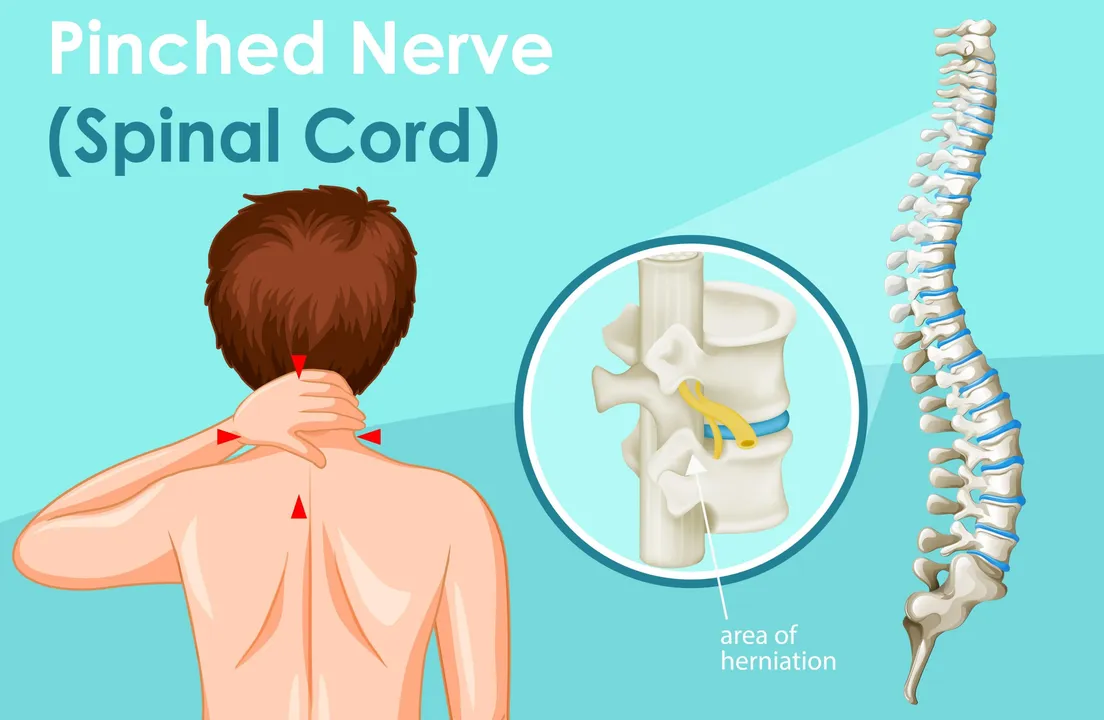
When a nerve becomes compressed, it cannot function properly, leading to various symptoms, including:
- Numbness: Loss of feeling in the affected area.
- Pain: Sharp, aching, or burning sensations in the shoulder or back.
- Radiating Pain: Pain that travels down the arm or leg.
- Tingling Sensations: A "pins and needles" feeling in the extremities.
- Muscle Weakness: Difficulty using the affected limb.
- Pain During Movement: Discomfort that worsens when sitting, coughing, or turning the head.
Diagnosing Pinched Nerves
Diagnosing a pinched nerve starts with a thorough evaluation by a healthcare professional. During your visit, the provider will ask detailed questions about your symptoms, medical history, and daily activities to help pinpoint what might be causing the nerve compression. A physical exam is then performed, focusing on the affected area to check for muscle weakness, changes in sensation, and altered reflexes. This hands-on assessment helps the healthcare professional determine if a pinched nerve is likely and which nerve may be involved.
How Pinched Nerves Are Identified
To confirm a pinched nerve and understand its severity, your healthcare professional may recommend additional diagnostic tests. Magnetic resonance imaging (MRI) is often used to get a clear picture of the spinal cord, nerve roots, and surrounding tissues, making it easier to spot any nerve compression or damage. A nerve conduction study can measure how well electrical signals travel through your nerves, helping to assess the nerve’s function and pinpoint the location of the problem. In certain cases, a spinal tap or electromyography (EMG) may be performed to further evaluate nerve health and rule out other neurological disorders. These tests provide valuable information to ensure an accurate diagnosis and guide your treatment plan.
Causes of Pinched Nerves
Common Contributing Factors
Several conditions can lead to pinched nerves, including:
- Injuries: Trauma that can compress nearby nerves.
- Arthritis: Inflammation causing bone spurs that pinch nerves.
- Herniated Discs: Intervertebral discs pressing on nerve roots.
- Repetitive Motion Activities: Actions that strain the nerves over time.
Pinched nerves commonly occur in the lumbar region of the lower back, which can cause pain in the buttocks and legs. A pinched nerve in the cervical spine may lead to shoulder or arm pain, along with numbness or tingling sensations.
Special Cases: Carpal Tunnel Syndrome
An example of a pinched nerve happens in carpal tunnel syndrome, which often arises from repetitive wrist motions, such as prolonged keyboard use. In this case, the median nerve in the wrist becomes compressed, leading to pain and numbness in the fingers and hands.
Common Conditions Related to Pinched Nerves
Pinched nerves are often linked to a variety of underlying medical conditions that put pressure on the nerves. Some of the most common causes include:
- Herniated Disks: When the soft tissue between your vertebrae bulges out, it can press on nearby nerves, leading to pain and other nerve symptoms.
- Bone Spurs: These abnormal bony growths can develop on the spine and compress nerve roots, causing symptoms of a pinched nerve.
- Spinal Stenosis: This condition involves narrowing of the spinal canal, which can put pressure on the spinal cord and nerve roots.
- Carpal Tunnel Syndrome: Repetitive motions or inflammation in the wrist can compress the median nerve, resulting in pain, numbness, and tingling in the hand.
- Cubital Tunnel Syndrome and Ulnar Nerve Entrapment: Compression of the ulnar nerve at the elbow or wrist can cause symptoms in the forearm and hand.
- Other Tunnel Syndromes: Nerve entrapment can occur in various parts of the body, affecting different nerves and causing a range of symptoms.
These conditions can all lead to pinched nerve symptoms by putting too much pressure on the nerve roots or nearby nerves, resulting in pain, numbness, or muscle weakness in the affected area.
Treatment for Pinched Nerves
Seeking Help from Dr. James Fraser
If you suspect you have a pinched nerve, it's important to rest the affected area and apply ice for 20 minutes at a time before scheduling an appointment with Dr. James Fraser at Spine Spot Chiropractic. With proper treatment, most pinched nerves can return to normal function without the need for invasive procedures.
Chiropractic Treatment Options
At Spine Spot Chiropractic, Dr. Fraser offers natural treatments for pinched nerves, including:
- Chiropractic Adjustments: Relieving pressure on the affected nerve by identifying and correcting the root cause.
- Safe Stretches and Exercises: Recommendations to alleviate pain and promote healing.
- Holistic Approaches: Avoiding the side effects associated with conventional medical treatments such as prescription medications, NSAIDs, steroid injections, or surgery.
Medical Treatment Options
Treatment for pinched nerves often begins with conservative approaches designed to relieve pain and reduce inflammation. Physical therapy is commonly recommended to strengthen muscles, improve flexibility, and relieve pressure on the affected nerve. Over-the-counter pain relievers and anti-inflammatory drugs (NSAIDs) can help manage discomfort and swelling. In some cases, your healthcare professional may suggest corticosteroid injections or oral steroids to further reduce inflammation and relieve pressure on the nerve root. If conservative treatments do not provide relief, or if symptoms worsen, surgical options may be considered to decompress the nerve and repair any damaged tissues. The goal of medical treatment is always to restore normal nerve function and help you return to your daily activities as quickly as possible.
Pain Relief Options
There are several effective pain relief options available for those suffering from pinched nerves. Nonsteroidal anti-inflammatory drugs (NSAIDs) and other over-the-counter pain relievers can help reduce inflammation and manage pain in the affected area. For more severe cases, prescription medications such as muscle relaxants or stronger pain relievers may be recommended by your healthcare professional. Physical therapy is another key component of pinched nerve treatment, as targeted exercises and stretches can relieve pain, improve mobility, and support the healing process. Some people also find relief through alternative therapies like acupuncture or massage, which can help reduce muscle tension and nerve symptoms. Maintaining a healthy weight, staying active, and practicing good posture are important lifestyle changes that can help prevent future episodes and support long-term pain relief. If your symptoms persist or worsen, be sure to consult a healthcare professional for further evaluation and personalized treatment options.
Preventive Measures for Pinched Nerves
Tips to Maintain Spine Health
To reduce the likelihood of experiencing a pinched nerve again, consider these preventive measures:
- Stay Physically Fit: Regular exercise helps maintain muscle strength and flexibility.
- Practice Good Posture: Proper alignment can alleviate stress on the spine.
- Take Regular Breaks: If you sit for prolonged periods, ensure you get up and move.
- Manage Weight: Losing excess weight can relieve additional strain on your spine and joints.
When to Seek Immediate Medical Attention
Recognizing Serious Symptoms
While pinched nerves can be bothersome, they are generally not serious. However, it's crucial to seek medical attention if you experience:
- Sudden numbness, weakness, or paralysis in the extremities that does not subside.
- Loss of bladder or bowel control.
- Loss of sensation in the genital area.
These symptoms could indicate a more serious condition requiring prompt medical treatment.
Your Path to Healing
Schedule Your Appointment Today!
Dr. James Fraser at Spine Spot Chiropractic is dedicated to helping you heal through conservative, tailored treatments designed to address your unique needs. If you're experiencing symptoms related to a pinched nerve, contact us today to schedule your appointment and start your journey to recovery!
Frequently Asked Questions About Pinched Nerves
What causes a pinched nerve? A pinched nerve occurs when too much pressure is applied to a nerve by surrounding tissues, such as bones (bone spurs), cartilage (herniated discs), muscles, or tendons. Common triggers include injuries, arthritis, and repetitive stress.
How does a chiropractor treat a pinched nerve? Dr. Fraser uses specific chiropractic adjustments to realign the spine or joint, which physically removes the pressure from the nerve. This is often combined with stretches and exercises to prevent the compression from returning.
What are the symptoms of a pinched nerve? Common symptoms include sharp or burning pain, numbness, tingling ("pins and needles"), and muscle weakness in the area supplied by the nerve. The pain often radiates, such as down a leg (sciatica) or arm
Explore More Conditions Treated
For more information on other common chiropractic conditions, visit our resources section for helpful insights and articles.