Structural Preservation: Non-Surgical Scoliosis Management & Pain Mitigation
Dr. James Fraser | Doctor of Chiropractic
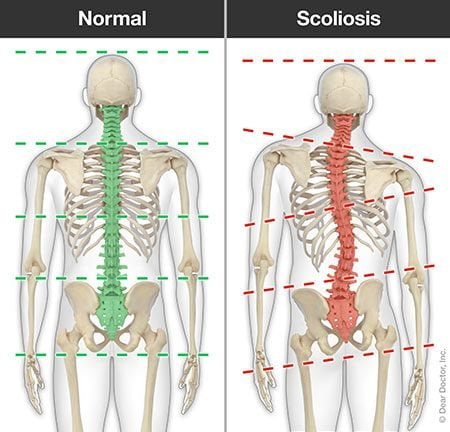
Scoliosis is a condition where the spine curves sideways, often forming an “S” or “C” shape. This abnormal curvature can appear during growth spurts in childhood or adolescence, with girls more likely to be affected than boys. However, people can also develop scoliosis at any age, including as a result of age-related changes such as spinal degeneration or osteoporosis. Chiropractic care is vital in managing scoliosis symptoms and enhancing spinal health.
What Causes Scoliosis?
While scoliosis can stem from specific neurological, muscular, or connective tissue disorders, it is important to distinguish between structural scoliosis—a fixed spinal deformity caused by abnormal bone formation—and nonstructural scoliosis, which is a temporary, functional curvature due to external factors such as leg length discrepancy or skeletal dysplasia. Most instances arise without a known cause; these are classified as idiopathic scoliosis, meaning the cause is unknown and most commonly affecting adolescents, although genetics may play a role. Many individuals live with scoliosis without experiencing significant problems; however, it can result in pain and fatigue, particularly as one ages.
At Spine Spot Chiropractic in Basalt, Colorado, Dr. James Fraser provides specialized care to help alleviate scoliosis symptoms and improve overall spinal well-being for residents of the Roaring Fork Valley.
Recognizing the Symptoms of Scoliosis in Basalt, CO
Common Signs to Look For
Adults with scoliosis may notice:
- Uneven shoulders or hips
- A prominent shoulder blade
These signs can be confirmed through X-ray imaging. The severity of scoliosis is categorized as follows:
- Mild: Less than 25 degrees
- Moderate: Between 25 and 50 degrees
- Severe: Over 50 degrees
Mild scoliosis is common among adults and may not cause significant symptoms.
Symptoms to Be Aware Of
Individuals with scoliosis may experience:
- Low back pain
- Stiffness and restricted mobility
- Numbness or pain from pinched nerves
- Fatigue from uneven weight distribution
As individuals age, the curvature of the spine may worsen, potentially leading to conditions like spinal stenosis, which narrows the spinal canal and increases pain. Spinal degeneration is a common cause of adult scoliosis, as age-related changes in the spine can lead to the development or progression of scoliosis in adults. A pronounced mid-back curve can deform the rib cage, affecting lung function.
Patients may adopt a forward-leaning posture to relieve spinal pressure, contributing to decreased lower back curvature and further spinal challenges.
Diagnosis and Imaging for Scoliosis
Accurate diagnosis and thorough imaging are essential first steps in managing scoliosis effectively. Identifying the presence, type, and severity of scoliosis allows healthcare professionals to tailor treatment plans that address each patient’s unique needs. Whether you are experiencing mild discomfort or more pronounced symptoms, understanding how scoliosis is diagnosed can help you take proactive steps toward better spinal health and pain relief.
How Scoliosis is Diagnosed
The diagnostic process for scoliosis begins with a comprehensive physical exam conducted by a healthcare professional. During this exam, you may be asked to stand upright and then bend forward at the waist—a simple movement known as the Adam’s Forward Bend Test. This test helps reveal any unevenness in the shoulders, rib cage, or shoulder blades, which can indicate an abnormal curvature of the spine. The examiner will also look for other signs, such as uneven shoulders or hips, and may assess your posture from different angles.
In addition to the physical exam, your medical history plays a crucial role in diagnosis. Your healthcare provider will ask about any family history of scoliosis, previous spine conditions, and current symptoms, such as back pain or leg pain. Neurological assessments, including reflex and muscle strength tests, help determine if the spinal curve is affecting nerve function. This thorough approach ensures that all aspects of your health are considered before moving forward with treatment.
Imaging Tests Used in Assessment
Imaging tests are a cornerstone of scoliosis diagnosis, providing detailed information about the spine’s structure and the degree of curvature. The most common imaging test is the X-ray, which offers a clear view of the spinal bones and allows the healthcare professional to measure the exact angle of the spinal curve. X-rays are typically taken from both the front and side to fully assess the extent of the abnormal curvature.
In certain cases, additional imaging may be necessary. Magnetic Resonance Imaging (MRI) is used if there are signs of nerve damage or if the doctor suspects underlying conditions contributing to scoliosis. MRI scans provide detailed images of the spinal cord, nerves, and surrounding soft tissues, helping to rule out other causes of spinal symptoms. Computed Tomography (CT) scans may also be used for a more detailed look at the bones, especially when planning for surgical treatment options like spinal fusion.
Treatment Options for Scoliosis
Chiropractic Care: A Non-Invasive Approach
Proactive management is essential for those with scoliosis to achieve optimal outcomes. Conservative treatment options, such as using a scoliosis brace and physical therapy, are primary non-surgical approaches for managing scoliosis. Dr. James Fraser may recommend that young patients wear a brace consistently to prevent curve progression and help prevent curve progression, especially when experiencing worsening curves or discomfort. Bracing is typically continued until skeletal maturity is reached, as this marks the end of spinal growth and influences treatment duration and success.
In severe cases, spinal fusion surgery may be considered if curvature progresses beyond 45 degrees in growing individuals or exceeds 50 degrees in adults. This procedure involves attaching metal implants to straighten vertebrae, ultimately fusing spinal joints, which can lead to reduced flexibility.
While chiropractic care cannot reverse scoliosis, it effectively manages pain and enhances mobility. Dr. Fraser employs spinal adjustments and muscle work to:
- Improve overall posture
- Reduce strain on the back and legs
- Alleviate discomfort
Evidence of Chiropractic Effectiveness
Research indicates that chiropractic care can significantly benefit individuals with scoliosis. A study involving 28 patients showed improvement in pain and disability, with 22 participants experiencing a reduced Cobb angle, leading to improved lung function for up to two years post-treatment.
Regular chiropractic visits, as recommended by Dr. Fraser, provide a safe, non-invasive strategy for managing scoliosis. Adjustments enhance joint mobility, reduce inflammation, and improve overall function, allowing your body to better cope with the effects of abnormal spinal curvature. Chiropractic care and physical therapy can also improve posture and strengthen core muscles, which may help reduce pain and improve quality of life. Specialized physical therapy approaches, such as the Schroth method, focus on targeted exercises and breathing techniques to manage scoliosis and support spinal alignment.
Frequently Asked Questions About Scoliosis
Can chiropractic care fix scoliosis? While chiropractic care cannot fully reverse structural scoliosis curvature, it is highly effective at managing pain, improving spinal flexibility, and preventing further progression through specific adjustments and postural strengthening.
What causes scoliosis? Most cases are idiopathic (unknown cause), often developing during adolescent growth spurts. Adults can also develop degenerative scoliosis due to age-related wear and tear on the spinal discs and joints.
How is scoliosis diagnosed? Diagnosis typically involves a physical exam, including the Adam's Forward Bend Test to check for rib humps, and digital X-rays to measure the exact degree of curvature, known as the Cobb angle.
Contact Dr. James Fraser for Expert Scoliosis Care in Basalt, CO
If you or a loved one is seeking effective treatment for scoliosis in Basalt, CO, reach out to Spine Spot Chiropractic today. Dr. Fraser works closely with a multidisciplinary team, including a scoliosis specialist, spine specialists, spine surgeons, pediatric orthopedic surgeon, and physical therapist, to ensure comprehensive care for patients. Dr. James Fraser is committed to providing compassionate, personalized care to improve your spinal health and quality of life.
Additional Conditions Treated at Spine Spot Chiropractic
Explore other common chiropractic conditions treated by Dr. Fraser to find the relief you need. Your journey to better health starts here!