 Neutralize Chronic Inflammation: Clinical Tendon Rehabilitation & Myofascial Repair
Dr. James Fraser | Doctor of Chiropractic
What is Tendonitis?
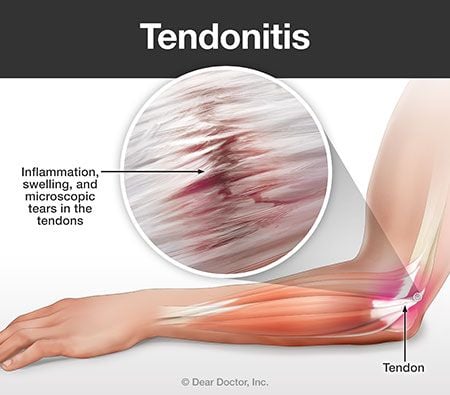
Tendonitis is a painful condition characterized by inflammation of the tendons. Tendons are a type of connective tissue that play a crucial role in musculoskeletal health. A tendon connects muscle to bone, and these bands of tissue are essential for movement. Commonly affected areas include the elbows, wrists, knees, and heels.
The common symptoms of tendonitis include pain, swelling, and limited movement in the affected area.
At Spine Spot Chiropractic in Basalt, Colorado, Dr. James Fraser specializes in diagnosing and managing tendonitis to help patients regain their mobility and comfort.
Understanding Tendons and Tendonitis
The Structure and Function of Tendons
Tendons are tough yet flexible tissues that vary in size depending on their location in the body. Tendonitis is often caused by overuse, which can result from repetitive activities like throwing, gardening, or even household chores. To prevent Tendonitis, Dr. Fraser emphasizes the importance of proper stretching and gradual increases in physical activity.
Causes and Risk Factors
What Leads to Tendonitis and Who is at Risk?
Tendonitis often develops when a tendon is subjected to repetitive motion or overuse, leading to inflammation and pain. Everyday activities that involve repetitive movements—such as typing, gardening, or certain sports—can put too much stress on the tendons, increasing the risk of injury. Athletes, especially those who play sports that require frequent running, jumping, or throwing, are particularly susceptible to tendonitis due to the repetitive strain these activities place on their connective tissues.
Poor posture is another significant risk factor, as it can alter the way tendons and muscles function, making them more prone to irritation and inflammation. Individuals who work in jobs that require repetitive strain injury (RSI), such as assembly line workers or musicians, are also at higher risk. Additionally, some medications, including certain antibiotics and cholesterol-lowering drugs, have been linked to an increased risk of tendonitis as a side effect.
Underlying health conditions, such as autoimmune diseases or metabolic disorders, can further contribute to tendon problems by weakening the tendons or making them more susceptible to inflammation. Being aware of these risk factors is key to preventing tendonitis. Taking regular breaks, using proper technique during physical activity, and addressing poor posture can all help reduce your risk. If you notice persistent pain or other symptoms of tendonitis, it’s important to seek medical advice to prevent further injury and promote healing.
Common Types of Tendonitis
Recognizing the Different Forms of Tendonitis
Tendonitis can manifest in various forms, some of which include pain caused by an inflamed tendon:
- Shoulder Tendonitis (Swimmer’s Shoulder): Caused by inflammation of the rotator cuff, resulting in aching pain that may extend to the upper arm and limit your range of motion.
- Tennis Elbow: Pain affects the outer side of the elbow and may radiate down to the wrist, often resulting from repetitive elbow movements.
- Golfer’s Elbow: Results in pain on the inner side of the elbow, radiating into the forearm due to tendon inflammation.
- Jumper’s Knee: Commonly seen in athletes; causes pain near the knee from inflammation of the patellar tendon connecting the kneecap to the shinbone, which is an example of an inflamed tendon.
- De Quervain’s Tenosynovitis: Pain near the base of the thumb, often aggravated by wrist and hand movements.
- Achilles Tendonitis: Pain occurring at the back of the heel, common in runners after sudden increases in activity. The Achilles tendon is the largest tendon in the body and is particularly prone to injury.
Symptoms of Tendonitis
Identifying the Signs
Tendonitis typically presents with symptoms such as:
- Pain in the surrounding tissues of a joint.
- Weakness in the affected area.
- Redness, swelling, and warmth at the site of inflammation.
Recognizing these symptoms early can help in effective management and treatment.
Tendon Problems and Complications
When Tendonitis Leads to Further Issues
Ignoring the symptoms of tendonitis or delaying treatment can lead to more serious tendon problems. When left untreated, the ongoing inflammation can cause chronic pain and limit your ability to move the affected area. Over time, the tendon may weaken, increasing the risk of a tendon rupture—a severe injury that often requires surgery and a lengthy recovery.
Tendonitis can also progress to conditions like medial epicondylitis (golfer’s elbow) or lateral epicondylitis (tennis elbow), both of which cause persistent pain and discomfort in the elbow and forearm. Repetitive strain injury (RSI) is another potential complication, resulting from ongoing stress and microtrauma to the tendons. This can lead to long-term inflammation, scarring, and even permanent loss of function if not addressed promptly.
Other symptoms of tendonitis, such as swelling and difficulty moving the joint, may worsen over time, making daily activities challenging. In severe cases, calcium deposits can form in the tendon, further restricting movement and causing additional pain. To avoid these complications, it’s essential to recognize the early signs of tendonitis and seek appropriate treatment. Prompt intervention can help reduce inflammation, restore function, and prevent the need for surgery or more invasive procedures.
Diagnosing Tendonitis
How Tendonitis is Evaluated and Confirmed
When you visit a healthcare provider for tendon pain, the diagnostic process begins with a thorough physical examination of the affected tendon and surrounding tissues. Your provider will look for signs of swelling, tenderness, and inflammation, and may ask detailed questions about your symptoms, daily activities, and any recent injuries. Understanding your medical history and the types of physical activities you engage in—such as playing sports, repetitive movements at work, or new exercise routines—helps pinpoint the underlying cause of your tendon problems.
To get a clearer picture of the injury, imaging tests like magnetic resonance imaging (MRI) or ultrasound may be recommended. These advanced tools allow your doctor to assess the condition of the tendon, check for tears, ruptures, or calcium deposits, and rule out other soft tissue injuries. In some cases, a systematic review of your symptoms and history is necessary to distinguish tendonitis from other conditions that can cause similar pain and swelling.
A physical therapist may also evaluate your strength, flexibility, and range of motion in the affected area. These assessments help identify any muscle weakness or instability that could be contributing to the tendon injury. Strength training and specific movement tests can reveal how much stress your tendons are under and guide the development of a personalized tendonitis treatment plan.
For some patients, nonsteroidal anti-inflammatory drugs (NSAIDs) may be prescribed to reduce pain and inflammation, while corticosteroid injections are reserved for more severe or persistent cases. Your healthcare provider will carefully consider the benefits and risks of each treatment option, always aiming to promote healing and reduce pain without causing further damage to the injured tendon.
If tendonitis is related to overuse, repetitive strain injury, or poor posture, your provider may recommend modifications to your physical activities to prevent tendon rupture and support recovery. Early diagnosis and intervention are crucial, as left untreated, tendonitis can progress to chronic tendonitis or even lead to tendon rupture, significantly increasing recovery time.
To prevent tendonitis, it’s important to take regular breaks during physical activity, use proper technique when playing sports, and avoid putting too much stress on your tendons. If you notice persistent pain, swelling, or difficulty moving a joint, don’t wait—consult a healthcare provider or physical therapist. Prompt evaluation and a tailored treatment plan can help reduce inflammation, relieve pain, and get you back to your favorite activities safely.
Non-Invasive Treatment Options for Tendonitis
Chiropractic Care for Relief and Recovery
If you suspect you are experiencing tendonitis, it's essential to limit activity in the affected area. While rest is vital for healing, chiropractic treatment can expedite recovery without the need for medication or invasive procedures. Dr. Fraser utilizes specific chiropractic adjustments, specialized techniques to break up scar tissue, and reduce inflammation to restore function, helping patients.
Advanced Therapeutic Approaches
Treatment options provided at Spine Spot Chiropractic may include:
- Low-Level Laser Therapy: To assist in tissue repair and reduce inflammation.
- Electrotherapy: To promote healing through targeted electrical stimulation.
- Rehabilitative Exercises: Personalized exercise programs to improve strength, flexibility, and overall function.
- Platelet-Rich Plasma (PRP) Therapy: An emerging treatment for tendonitis, PRP involves injecting concentrated platelets to deliver growth factors that promote cell proliferation, differentiation, angiogenesis, extracellular matrix synthesis, and regulate inflammation, enhancing tissue healing.
- Surgery: For severe or treatment-resistant cases of tendonitis, surgical intervention may be considered to repair damaged tissue.
Pain Relief and Management
Strategies for Easing Discomfort
Effective pain relief is a cornerstone of tendonitis treatment, helping you stay comfortable while your body heals. One of the first steps is to rest the injured area and avoid activities that could cause further injury. Applying an ice pack or ice packs to the affected tendon can help reduce swelling and inflammation, especially in the first few days after an acute injury.
Compression with an elastic bandage and elevating the injured area can also help decrease pain and minimize swelling. Over-the-counter nonsteroidal anti-inflammatory drugs (NSAIDs), such as naproxen sodium, are commonly used to reduce pain and inflammation. For more persistent or severe cases, your healthcare provider may recommend corticosteroid injections to target inflammation directly and provide longer-lasting relief.
Physical therapy is another key component of tendonitis management. A physical therapist can guide you through strength training and stretching exercises designed to improve flexibility, support the injured tissue, and restore normal function. These exercises not only help reduce pain but also decrease the risk of further injury by strengthening the muscles and tendons around the affected joint.
In some cases, advanced treatments like platelet-rich plasma (PRP) injections or alternative therapies such as acupuncture may be considered to promote healing and reduce pain. Working closely with your healthcare provider ensures you receive a personalized treatment plan tailored to your specific needs and symptoms. By combining rest, anti-inflammatory medications, physical therapy, and other targeted treatments, you can effectively manage tendonitis, reduce inflammation, and get back to your daily activities with less stress and discomfort.
Get Help for Tendonitis in Basalt, CO
Contact Dr. James Fraser Today!
If you're experiencing signs of tendonitis, don't wait for the pain to become chronic. Reach out to Dr. James Fraser at Spine Spot Chiropractic to learn how we can support your body's healing process with safe and effective methods. We are committed to helping you regain mobility and enhance your overall well-being.
Explore More Conditions Treated
At Spine Spot Chiropractic, we also treat various other Common Chiropractic Conditions. Our clinic offers sports medicine expertise for tendonitis and other sports-related injuries, ensuring you receive specialized care tailored to your needs. For assistance with tendonitis or to learn more, contact us today, and take the first step towards recovery!