Reverse Digital Deformity: Correcting Text Neck, Dowager's Hump, & Swayback
Understanding Posture Problems
Dr. James Fraser | Doctor of Chiropractic
What are Posture Problems?
Posture problems encompass a variety of conditions, including hyperlordosis, hyperkyphosis, and forward head posture, leading to pain and discomfort. Good posture not only enhances your appearance and confidence but also plays a crucial role in your overall health. Posture refers to the alignment and positioning of the body, which is important for health and injury prevention. Bad posture can contribute to back pain, headaches, and musculoskeletal issues, though the concept of bad posture is sometimes subjective. Correct posture is about body awareness and adaptability, not just maintaining a fixed ideal. Neutral posture involves maintaining the natural curves of the spine for balanced muscle and skeletal support. The three curves—cervical, thoracic, and lumbar—are important for supporting spinal health and alignment. Posture is about how our bodies adapt to different situations, rather than adhering to a single ideal position. Bones play a key role in maintaining posture and preventing age-related musculoskeletal changes. The spine’s natural S-shaped curve is essential for shock absorption and weight distribution during movement. A stable spine is foundational to your body’s functionality, while poor posture can lead to pain, decreased function, an increased risk of injury, and other health problems such as fatigue and general discomfort.
Causes of Posture Problems
Poor posture often develops from a combination of lifestyle habits and physical factors. One of the primary contributors is weak abdominal muscles, which play a vital role in supporting the spine and maintaining good posture. When these muscles are not strong enough, the body may compensate by slouching, leading to rounded shoulders and increased curvature in the upper back.
Muscle tension is another common cause, as it can result in muscle strain and fatigue, especially when holding the same position—whether sitting or standing—for long periods. This static posture puts more stress on the muscles and joints, making it harder to maintain good posture throughout the day. Over time, this can lead to discomfort, pain, and even chronic back pain.
Certain health conditions, such as spinal cord injury, can also significantly affect posture by altering the body’s ability to support itself properly. Without intervention, these issues can contribute to long-term health problems, including persistent pain in the back, shoulders, and upper back.
To prevent these complications, it’s essential to be mindful of your body’s position during everyday activities and to take proactive steps to maintain good posture. Addressing the underlying causes early can help reduce stress on the body and support overall health.
Common Posture Problems Treated
Hyperlordosis (Swayback)
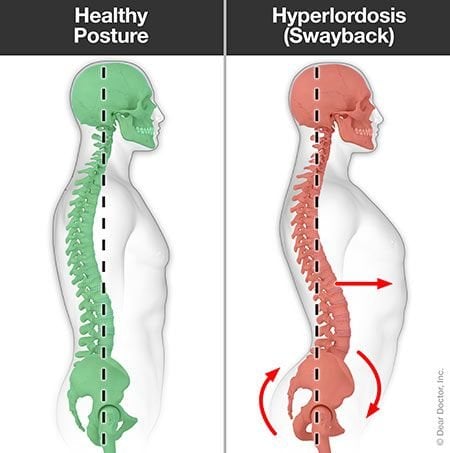
What is Hyperlordosis?
Hyperlordosis, commonly known as swayback, is characterized by an exaggerated inward curve of the lumbar spine. This condition can also affect the cervical spine (neck) and is often caused by poor posture, leading to issues such as:
- Increased stress on muscles and ligaments
- Forward pelvic tilt
- Muscle spasms
- Discomfort in the lower back or neck
Hyperlordosis can also affect the alignment and function of the hips and legs, leading to muscle imbalances and discomfort. Maintaining proper hip alignment is important for preventing further postural issues.
Hyperkyphosis (Hunchback)
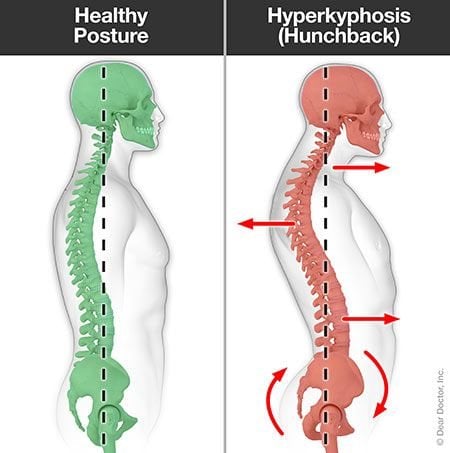
Understanding Hyperkyphosis
Hyperkyphosis, or hunchback, refers to an abnormal curvature of the thoracic spine exceeding 40 degrees. This condition can cause:
- Discomfort and limited mobility
- Increased risk of falls and fractures
- Secondary issues such as neck pain and headaches
Poor posture and weakened supporting muscles are common contributors to hyperkyphosis.
Forward Head Posture (FHP)
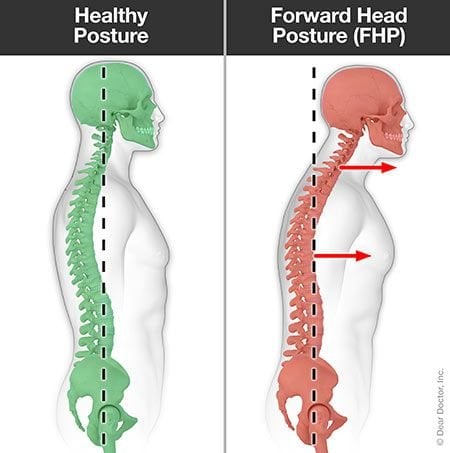
What is Forward Head Posture?
Forward head posture occurs when the head is positioned in front of the body's center of gravity, often due to poor ergonomics or prolonged device use. This misalignment can lead to neck pain, headaches, and shoulder tension. When changing positions, such as getting in and out of bed or adjusting your posture, it is important to use your arms for support. Proper use of the arms helps prevent strain and promotes correct alignment during movement.
What is Forward Head Posture?
Forward Head Posture (FHP) often develops in response to hyperkyphosis. As the shoulders and upper back round forward, the head shifts forward, leading to:
- Increased strain on neck and shoulder muscles
- Misalignment causing discomfort and potential breathing difficulties
Chiropractic adjustments can help realign the cervical spine and improve neck mobility.
Hypolordosis (Flatback Syndrome)
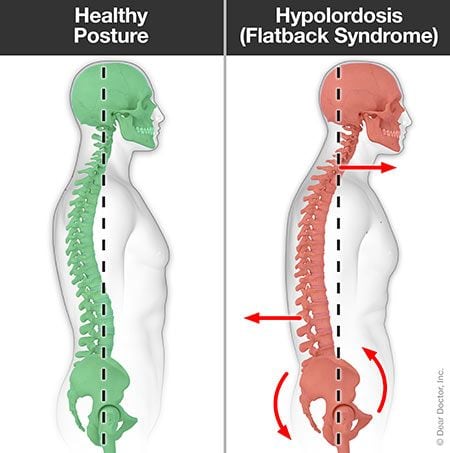
Understanding Hypolordosis
- Flatback syndrome, also known as hypolordosis, is a condition where the normal curve of the lower spine flattens.
- This can lead to a stooped posture, back pain, and difficulty standing upright.
- It often results from degenerative disc disease, spinal surgery, or poor posture over time.
When moving or changing positions, especially when getting in and out of bed, it is important to bend the knees properly to reduce strain and support alignment in individuals with flatback syndrome.
Understanding Hypolordosis
Flatback syndrome occurs when the spine loses its natural lower back curve, causing a forward lean and pelvis tuck. Individuals may experience:
- Difficulty maintaining an upright posture
- Chronic back or leg pain
- Strain in the neck and upper back
Improper alignment in flatback syndrome can also increase the risk of ankle sprains or ligament injuries, especially during physical activity.
Chiropractic Treatment for Posture Problems
Role of Exercise in Posture
Exercise is a key factor in achieving and maintaining good posture. Strengthening the core muscles, particularly the abdominal muscles, provides the support your spine needs for proper posture and helps prevent issues like shoulder pain and low back pain. Activities such as tai chi and other classes that focus on body awareness and balance are especially effective for improving posture and enhancing overall health.
Incorporating movement into your daily routine is equally important. Simple actions like walking, staying active, and avoiding standing or sitting in the same position for long periods can make a significant difference. Taking regular breaks to stretch and change positions helps reduce muscle fatigue and supports healthy posture.
A physical therapist can offer personalized exercises and stretches tailored to your needs, helping you improve your posture and reduce the risk of posture-related health problems. Maintaining a healthy weight, wearing comfortable, low-heeled shoes, and being mindful of your posture during everyday activities—such as watching television, washing dishes, or making dinner—can further support your efforts to maintain good posture.
By making these small but impactful changes, you can help protect your body from pain and discomfort, improve your body awareness, and promote long-term health.
Effective Care and Treatment Options for Core Muscles
Chiropractic treatment for posture problems focuses on addressing the underlying causes and restoring proper alignment. Dr. James Fraser at Spine Spot Chiropractic employs various techniques, including:
- Spinal Adjustments: Realigning the spine to relieve pressure and pain.
- Therapeutic Exercises: Customized exercises to strengthen supporting muscles and improve posture. Using a supportive chair is important to maintain proper sitting posture during these exercises. Incorporating stretching routines helps improve flexibility and muscle balance.
- Soft Tissue Techniques: Methods to alleviate tension in tight muscles and ligaments.
- Postural Education: Guiding patients on maintaining proper alignment in daily activities. Patients are taught to maintain a safe dynamic posture during physical activities to prevent injury. It is also important not to remain in a sit or stand position for too long; taking regular breaks to move helps prevent strain and discomfort.
The Importance of Early Intervention
Why Seek Chiropractic Care?
If you are experiencing symptoms related to posture problems, it is crucial to seek professional help. Dr. Fraser performs comprehensive assessments to identify specific postural issues. Early intervention can prevent the progression of these problems and support a healthier spine.
Schedule Your Consultation Today!
Begin Your Path to Better Posture
If you're facing challenges related to posture or discomfort, contact Dr. James Fraser at Spine Spot Chiropractic for an assessment and tailored treatment plan. Your journey to better posture and enhanced health starts here!
Explore More Conditions Treated, Including Shoulder Pain
For additional insights into other common chiropractic conditions, visit our resource section for more helpful articles and information on maintaining optimal health.