Neutralize the Pressure: Non-Surgical Disc Decompression & Structural Neural Relief
Dr. James Fraser | Doctor of Chiropractic
Disc herniation occurs when the inner core of an intervertebral disc leaks out through a rupture; a herniated disc occurs as a result of aging, degeneration, or trauma that weakens the disc structure. When the inner core leaks out, a disk occurs as the disc is forced through a weakened area, leading to nerve compression and associated symptoms. At Spine Spot Chiropractic in Basalt, Colorado, Dr. James Fraser is committed to helping the Roaring Fork Valley community understand and manage herniated discs (also known as herniated disk), which are a common cause of back and limb pain.
What Causes a Herniated Disc?
As people age, they become more susceptible to herniated intervertebral discs, which often arise from routine movements. Connective tissue disorders can also increase the risk of herniated discs by weakening the structural integrity of spinal tissues. Herniated disks occur when all or part of a spinal disc protrudes through a weakened area, often after strenuous activity or degeneration, leading to nerve pressure and symptoms such as pain or numbness. Herniated discs are referred to by various names, including slipped discs, ruptured discs, and bulging discs, creating confusion around this condition. Dr. Fraser offers insight into the causes and potential consequences of herniated discs, including the mechanical compression of nerves that can result from disc herniation.
The Structure of Spinal Discs
Anatomy of Spinal Discs
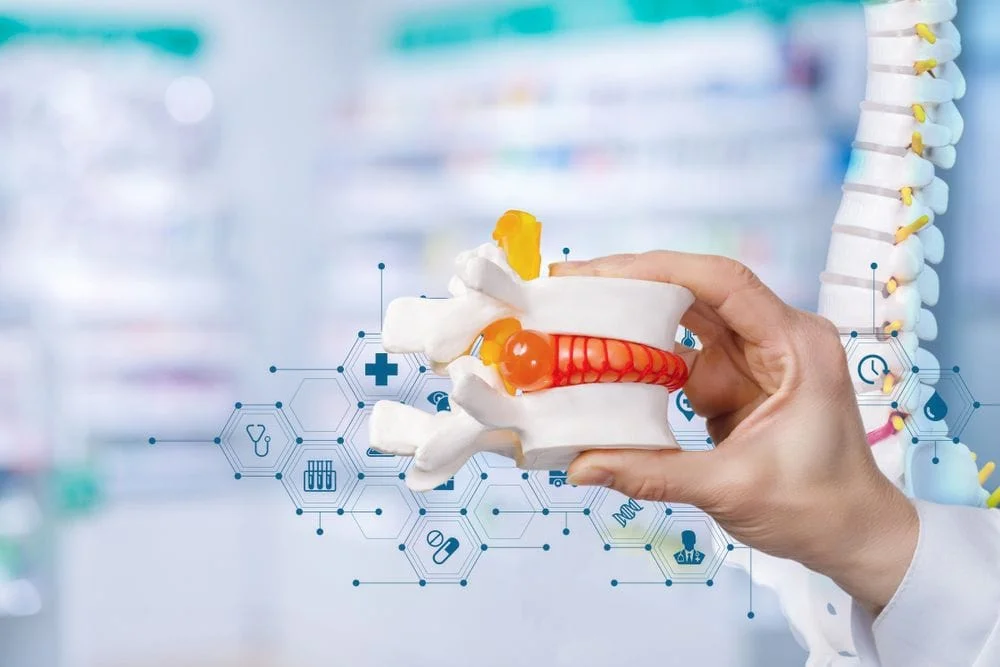
Spinal discs act as spongy joints between the vertebrae (excluding the top two in the neck), functioning as shock absorbers for the spine. The spinal column and discs also help protect the spinal cord, which is a crucial part of the nervous system running through the vertebral column. Each disc consists of:
- A gelatinous inner core known as the nucleus pulposus.
- A tough outer ring called the annulus fibrosus.
When the annulus fibrosus ruptures, the inner material can leak out, leading to what is commonly referred to as a “slipped disc,” or a ruptured disc, even though the disc itself does not actually slip. This ruptured disc can cause nerve impingement. The chemicals released from this rupture can cause inflammation, which may press on nearby tissues and nerves.
Spinal Regions Affected by Herniated Discs
Herniated discs can develop in any part of the spine, but they most frequently occur in the lumbar spine (lower back) and cervical spine (neck). Herniated disks are a common cause of nerve compression in these regions, leading to a variety of symptoms. The lumbar spine is especially vulnerable, with the L4-L5 and L5-S1 levels being the most common sites for a herniated disc. This is because the lower back supports much of the body’s weight and is involved in many daily movements, making it prone to injury and degeneration. When a herniated lumbar disc presses on spinal nerves, it can lead to back pain, sharp leg pain, numbness, or tingling that radiates down the leg.
The cervical spine is the next most common region for herniated discs, particularly at the C5-C6 and C6-C7 levels. A herniated disc in the neck can cause neck pain, as well as pain, numbness, or tingling that travels into the shoulder, arm, or even the fingers. These symptoms occur when the herniated disc compresses nerve roots that serve the upper limbs.
Although less common, herniated discs can also affect the thoracic spine (upper back). When this happens, individuals may experience mid-back pain, chest discomfort, or numbness and tingling in the torso. Because the thoracic spine is more stable and less mobile than other regions, herniated discs here are rare but can still cause significant discomfort. A herniated disc is sometimes referred to as a ruptured disk, especially when the disc material breaks through its normal boundaries.
The symptoms of a herniated disc depend on its location and the degree of nerve involvement. In addition to back pain and leg pain, some people may notice weakness, loss of sensation, or difficulty with coordination. Other symptoms, such as muscle weakness or coordination difficulties, may also be present and should prompt further evaluation. In rare cases, a large herniated disc in the lower back can compress the bundle of spinal nerves known as the cauda equina, leading to cauda equina syndrome. This serious condition can cause numbness in the saddle area, weakness in the legs, and loss of bowel or bladder control, and requires immediate medical attention.
If symptoms persist or worsen, it’s important to seek a physical examination and appropriate diagnostic tests, such as X-rays, CT scans, or MRI scans, to confirm the presence and location of a herniated disc. Treatment options often begin with conservative measures like physical therapy and pain medication to manage herniated disc pain and improve mobility. In some cases, surgical treatment may be necessary to relieve pressure on the spinal nerves and restore function.
Maintaining a healthy weight, staying active with regular exercise, and practicing good posture are key strategies for reducing the risk of herniated discs. Avoiding heavy lifting, repetitive bending, and twisting can also help protect the spine from injury. By understanding which spinal regions are most affected by herniated discs and recognizing the symptoms, individuals can take proactive steps to manage their spinal health and seek timely care when needed.
How is a Herniated Disc Diagnosed?
Diagnosing a herniated disc begins with a careful physical exam and a detailed review of your medical history. Your healthcare provider will focus on the areas of your body where you’re experiencing symptoms, such as the neck, shoulders, arms, or lower back, hips, and legs. During the exam, the doctor will assess muscle reflexes, muscle strength, and sensation to pinpoint any signs of nerve compression along the spine.
One common test for a herniated disc in the lumbar spine is the straight leg raise test. While you’re lying on the exam table, you’ll be asked to lift your leg straight up. If this movement triggers pain, it may indicate that a herniated disc is pressing on a nerve. For symptoms in the neck, your doctor might ask you to bend your neck forward while applying slight downward pressure to the top of your head. Increased pain or numbness during this maneuver can suggest nerve involvement in the cervical spine.
To confirm the diagnosis and rule out other causes of your symptoms, your provider may order diagnostic tests such as magnetic resonance imaging (MRI) or a CT scan. These imaging studies provide detailed views of the spine, helping to identify the exact location and severity of the herniated disc. By combining a thorough physical exam with advanced diagnostic tests, your healthcare team can develop an effective plan to address your pain and restore your quality of life.
Consequences of a Herniated Disc
Symptoms and Effects: Leg Pain
Not all herniated discs are painful, but when nerve compression or a compressed nerve root occurs within the spinal canal, serious issues can arise. Disc herniation can cause the herniated material to press on a spinal nerve, leading to the following common consequences:
- Lumbar Region: A disc herniation can cause nerve compression of the sciatic nerve, potentially resulting in leg pain, numbness, tingling, or weakness due to a compressed nerve root.
- Cervical Region: A disc herniation in the neck can compress a spinal nerve, leading to sensations of shock or “pins-and-needles” in the shoulder, arm, and hand.
- Thoracic Region: Though less common, thoracic disc herniation can cause nerve compression in the spinal canal, resulting in chest soreness.
Additionally, impaired shock absorption and inflammation may result in muscle tightness.
Risk Factors for Herniated Discs
Who Is Most At Risk?
Spinal discs naturally lose water and shrink with age, which increases vulnerability to disc herniation, particularly in individuals aged 35-55. Progressive disc herniation can occur in those with ongoing risk factors, leading to worsening symptoms over time. A herniated disc injury may result in chronic low back pain, especially if nerve compression persists. While the reasons behind disc shrinkage remain unclear, it is less likely for material from the nucleus to reach a nerve if the disc shrinks sufficiently. Other risk factors include:
- Obesity: Excess weight increases the load on spinal discs.
- Smoking: This can reduce blood flow to spinal tissues and increase the risk of disc degeneration.
Treatment Options with Dr. James Fraser
Non-Surgical Approaches
Fortunately, herniated discs can often be naturally repaired by the body, but it's essential to seek care when experiencing symptoms. Dr. Fraser offers non-addictive, minimally invasive treatment options at Spine Spot Chiropractic, including:
- Chiropractic Adjustments: To relieve pressure on nerves and compressed discs.
- Therapeutic Massages: To reduce inflammation.
- Electric Muscle Stimulation: For pain relief and muscle relaxation.
Dr. Fraser also advises on lifestyle changes, such as proper lifting techniques and effective yard work practices, to prevent future back strain. Following an injury, initial rest is important, but physical therapy is crucial for rebuilding strength and flexibility. Maintaining strong core muscles can help prevent future overload on spinal discs.
Managing and Recovering from a Herniated Disc
Managing a herniated disc often starts with conservative treatment options designed to ease pain, reduce inflammation, and restore function. Physical therapy is a cornerstone of recovery, helping to improve flexibility, strengthen back muscles, and support the spine. Your physical therapist will guide you through exercises tailored to your specific symptoms and needs, promoting healing and preventing future injuries.
Pain management may include nonsteroidal anti-inflammatory drugs (NSAIDs) or other medications to help control discomfort and swelling. In some cases, epidural steroid injections or other spinal injections may be recommended to target inflammation around the affected spinal nerves and provide relief from deep pain. Maintaining a healthy weight is also important, as excess weight can put additional stress on the spine and worsen symptoms.
Lifestyle modifications play a key role in recovery. Avoiding heavy lifting, repetitive bending, or twisting can help protect the spine while it heals. Taking regular breaks to stretch and move around, especially if you have a sedentary job, can also ease pain and support recovery. Most patients with herniated discs experience significant improvement within a few weeks, and many cases resolve without the need for surgical treatment.
However, if symptoms persist or worsen despite conservative care, surgical treatment may be considered to relieve pressure on the spinal nerves and remove the herniated disc. Your healthcare provider will work with you to develop a personalized treatment plan, monitor your progress, and adjust your care as needed to ensure the best possible outcome. With the right approach, most patients can return to their normal activities and enjoy lasting relief from back pain.
Get Personalized Care for Herniated Discs
If you're dealing with a herniated disc or seeking preventative care, visit Dr. James Fraser at Spine Spot Chiropractic, serving the Roaring Fork Valley, to explore personalized treatment options.
Learn More About Chiropractic Care
For additional resources and information, please check our Chiropractic Articles section.