Heal the Burn: Chiropractic Relief for Stingers and Brachial Plexus Injuries
Dr. James Fraser | Doctor of Chiropractic
What Are Brachial Plexus Injuries?
Brachial plexus injuries involve nerve damage at the shoulder, causing symptoms such as tingling, numbness, or pain radiating down the arm. These injuries affect the shoulders and arms. Brachial plexus injuries are a common injury, often resulting from trauma such as car accidents or birth trauma. A burning sensation is also a common symptom. These injuries often result from trauma or excessive stretching.
Recognizing the Symptoms
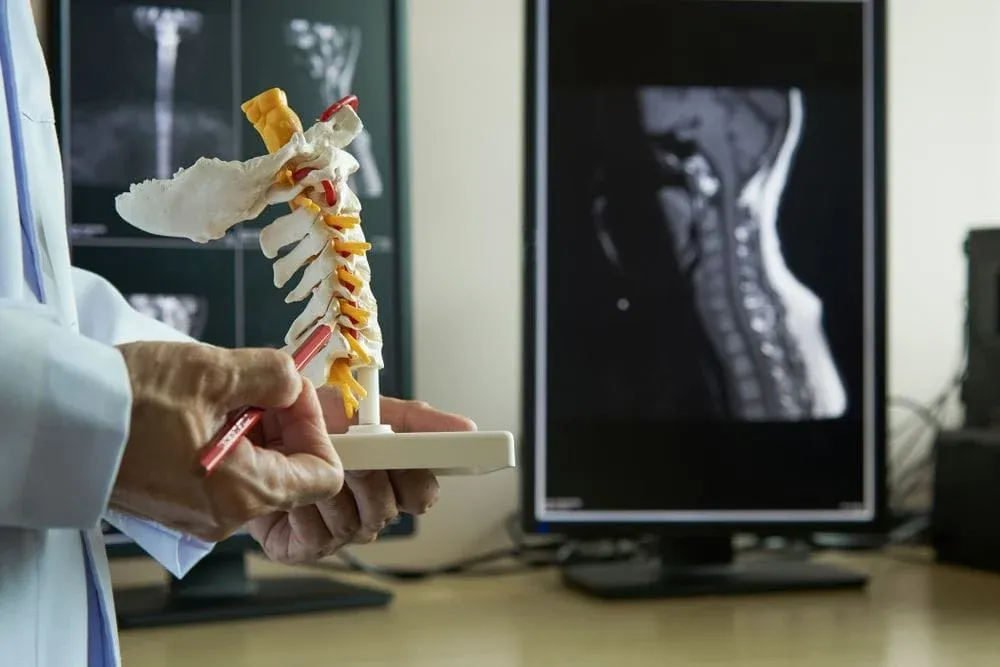
If you’ve experienced tingling, numbness, arm numbness, or pain in your arm, it may indicate nerve damage near your shoulder. The brachial plexus is a network of nerves originating from the cervical spine, forming a crucial system that controls movement and sensation in the upper limbs.
Understanding the Nervous System
The nervous system is the body’s intricate communication network, responsible for transmitting signals between the brain, spinal cord, and every part of the body. It is divided into two main components: the central nervous system (CNS), which includes the brain and spinal cord, and the peripheral nervous system (PNS), which connects the CNS to the limbs and organs. The brachial plexus is a vital part of this system, originating from the spinal cord in the neck and extending through the shoulder to the arm and hand. This network of nerves controls movement and sensation in the shoulder and upper limb, making it essential for daily activities. When brachial plexus injuries occur, they disrupt the normal flow of signals, leading to pain, weakness, or loss of function in the arm. Understanding how the nervous system operates allows healthcare professionals to pinpoint the root cause of brachial plexus injuries and tailor treatment strategies that restore nerve function and support recovery in the affected arm and shoulder.
How Brachial Plexus Injuries Occur
Mechanisms of Injury
Neuropraxia describes the condition where a nerve is stretched beyond its limits, causing pain or numbness. Brachial plexus injuries commonly happen when:
- The shoulder is forcibly pushed downward while the neck is moved to the side—often seen in motorcycle or bicycle accidents, as well as contact sports like wrestling and football. This injury is known as a “stinger” or “burner.” Tension or irritation in the scalene muscles during these movements can contribute to nerve compression, leading to symptoms such as shoulder pain.
- The shoulder is forced upward, such as when someone grabs onto something above them after losing their footing.
Consequences of Injury
Victims of brachial plexus injuries may experience dysfunction in their hands or increased nerve compression. More severe symptoms can occur if the nerve roots are torn from the spinal cord. Crushing injuries can also stretch the brachial plexus and lead to complications such as inflammation and damage to surrounding muscles, ligaments, and bones. Brachial neuritis, a form of nerve inflammation that affects the brachial plexus, can also develop as a result of injury. Treatment aims to reduce inflammation and promote healing.
Risks of Brachial Plexus Injuries
Common Issues in Sports
Stingers are prevalent in sports activities. A physical examination is performed to assess the extent of injury, including evaluation of range of motion, muscle strength, and nerve function. On-site healthcare providers often evaluate athletes to determine if they can safely continue participating. Although the body can heal from neuropraxia, misaligned joints or displaced tissues can lead to improper healing, potentially causing deformities and ongoing nerve pressure. Incorporating motion exercises into rehabilitation programs is crucial for restoring flexibility, proper movement patterns, and nerve function.
Long-Term Effects
Those with severe neuropraxia may endure pain during recovery. Evaluating muscle strength is crucial during this period to assess the extent of nerve damage and guide rehabilitation strategies. A lack of movement can lead to muscle stiffness or atrophy. Strengthening exercises are often recommended to rehabilitate affected muscles, helping to restore strength, flexibility, and proper movement patterns. Individuals with prior traumatic injuries may also face an increased risk of pain flare-ups due to cumulative wear and tear.
Nerve Damage and Recovery
Nerve damage from brachial plexus injuries can result from trauma, excessive stretching, or compression of the nerves. When these nerves are compromised, patients may experience symptoms such as pain, muscle weakness, or numbness in the affected arm. The severity of these symptoms often depends on the extent of the injury, with more severe cases requiring prompt and specialized care to prevent further injury and support healing. Chiropractic care plays a key role in treating brachial plexus injuries by using spinal manipulation and targeted chiropractic treatment to relieve pressure on the nerves, reduce pain, and restore proper function. Physical therapy and massage therapy are also valuable, as they help reduce muscle tension, improve blood flow, and promote healing in the affected area. In some severe cases, surgical intervention may be necessary to repair damaged nerves and restore movement. Early intervention is crucial—addressing the root cause of nerve damage not only reduces pain and inflammation but also enhances overall well-being and supports a smoother recovery process for patients dealing with brachial plexus injuries.
Diagnosis and Treatment Options
Diagnostic Procedures
Diagnosing nerve damage typically involves tests such as Tinel’s test, where the nerves are tapped to assess responsiveness. Imaging tests or electromyography may also be recommended to evaluate muscle function. In some cases, a massage therapist may be involved in the assessment and treatment process, contributing their expertise in muscle strength evaluation and hands-on therapy.
Treatment Approaches at Spine Spot Chiropractic
Dr. James Fraser utilizes a comprehensive approach to reduce pain and inflammation for brachial plexus injuries through targeted treatments, which may include:
- Chiropractic Adjustments: Focused adjustments to the neck, shoulder joint, or soft tissues to restore alignment.
- Supportive Devices: Braces or compression sleeves to support the arm during recovery.
The goal of this comprehensive care is to help patients achieve optimal health and overall wellness.
The Importance of Early Intervention
Nerve injuries often heal slowly, but early intervention improves the chances of a full recovery.
Contact Dr. James Fraser for Treatment
If you suspect a brachial plexus injury or experience symptoms like tingling or numbness, reach out to Dr. James Fraser at Spine Spot Chiropractic. Serving the Roaring Fork Valley, Dr. Fraser is dedicated to helping you regain function and alleviate pain with a personalized treatment plan.
Explore More Articles on Chiropractic Care
Discover additional resources and articles to learn more about chiropractic health and wellness.