Effective Treatment for Herniated Discs at Spine Spot Chiropractic
Dr. James Fraser | Doctor of Chiropractic
Herniated discs can cause localized pain, numbness, and radiating symptoms that significantly impact daily life. Herniated disks is another term for the same condition; in this article, we will discuss the causes, symptoms, and treatment options for herniated disks. At Spine Spot Chiropractic in Basalt, Colorado, I, Dr. James Fraser, offer effective chiropractic treatments for relief and recovery.
Understanding Herniated Discs
What is a Herniated Disc?
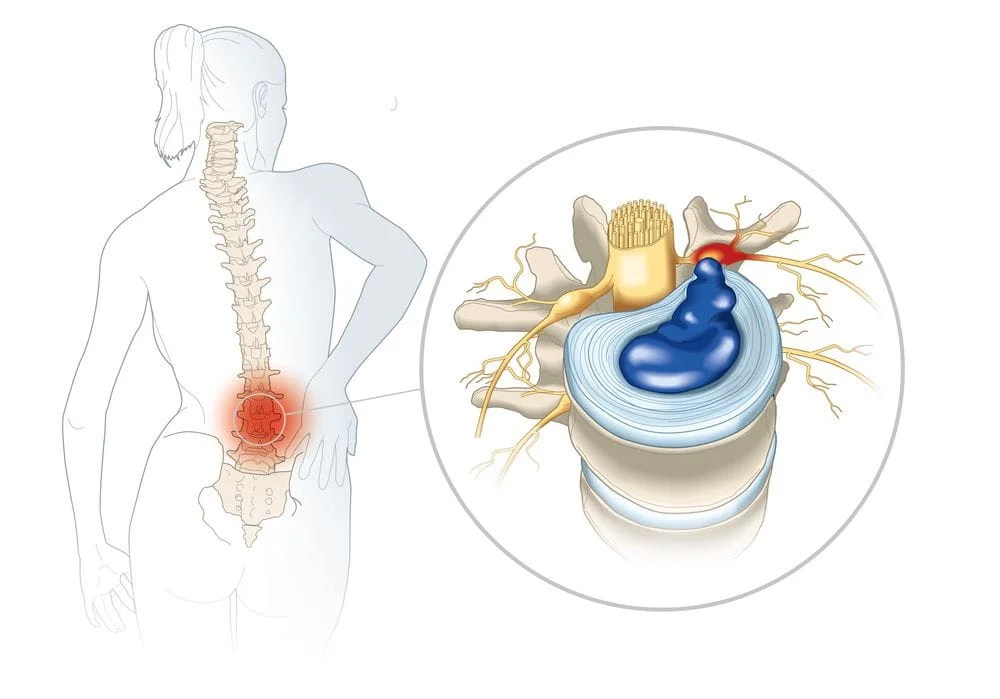
Herniated discs are a common issue that prompts many individuals to seek chiropractic care. A herniated disc occurs when the nucleus pulposus breaks through the annulus fibrosus, often as a result of injury or degeneration. Disc degeneration is a common underlying cause of herniated discs, especially as people age. Herniated discs most commonly affect the lumbar spine (herniated lumbar disc) and cervical spine, with lumbar herniations typically causing lower back pain and leg symptoms, while cervical spine herniations can lead to neck pain, shoulder discomfort, and arm numbness or weakness. Often referred to as a slipped or ruptured disc, the symptoms associated with a herniated disc can sometimes be attributed to various causes. At Spine Spot Chiropractic, I emphasize the body's innate ability to heal itself when positioned correctly, and I believe that significant interventions are often unnecessary. Importantly, patients do not have to endure pain, as chiropractic care can facilitate recovery and reduce the risk of recurrence.
How Do Herniated Discs Happen?
Mechanics of the Spine
The spinal discs serve as shock absorbers between each articulated vertebra, excluding the top two. These discs comprise a gelatinous core encased in sturdy fibrous tissue. Over time, or due to injury, the fibers may wear out or sustain damage, allowing the gel to protrude and distort the disc's shape, diminishing its functionality. When this gel-like material protrudes, it can enter the spinal canal and put pressure on a nerve root, leading to pain and neurological symptoms.
Risk Factors for Herniated Discs
It's important to note that as individuals age, spinal discs naturally lose fluid, leading to potential ruptures. Contributing risk factors include:
- A sedentary lifestyle
- Lifting heavy objects
- Carrying excess weight
A person's medical history, including previous back injuries or conditions, can also increase the risk of developing a herniated disc.
What Happens When a Disc is Herniated?
Symptoms Associated with Herniated Discs
Herniated discs can sometimes go unnoticed, although they may cause localized soreness. The leaking gelatinous material can trigger inflammation in nearby tissues, potentially leading to nerve compression where it exits the spinal cord.
- Lower Back Herniations: The most common site of herniated discs, often pinching the sciatic nerves and causing discomfort radiating down the legs. Symptoms may include sharp pain, muscle spasms, numbness, or tingling.
- Cervical Herniations: Herniated discs in the neck may compress nerves affecting the shoulders and arms. This can result in sharp pain, muscle spasms, and radiating symptoms into the upper limbs.
Common Symptoms of a Pinched Spinal Nerve:
Symptoms can include:
- Radiating pain (pain from a pinched nerve in the cervical spine may also radiate toward the shoulder blades)
- Numbness
- Tingling sensations
- Diminished muscle movement, depending on the affected nerve
Diagnostic and Treatment Options
Diagnostic Approaches
While herniated discs themselves do not appear on X-rays, I may recommend imaging tests to rule out other potential causes of your symptoms. If you experience problems in your lower limbs, a straight leg raise test may be performed to evaluate differences in response.
Conservative treatment options for herniated discs often include anti-inflammatory medication, pain relievers, and muscle relaxants to help manage pain and reduce inflammation. Medication and physical therapy are frequently combined to alleviate symptoms and promote recovery. Short-term bed rest may be recommended to relieve acute pain, but prolonged inactivity should be avoided to prevent muscle weakness. In cases of severe pain, your doctor may prescribe pain medication to help manage your symptoms during recovery.
Treatment Approaches at Spine Spot Chiropractic
Chiropractors are trained in spinal decompression therapy, which effectively helps reposition discs. This technique, often conducted using specialized equipment, applies traction to create space between the vertebrae, relieving pressure on the discs.
Conservative treatments for herniated discs may include physical therapy, rest, and the use of anti-inflammatory medications or therapies to reduce swelling and pain. Physical therapy options can involve stretching, strengthening exercises, and electrical muscle stimulation to alleviate pain and improve muscle function.
If conservative treatments fail to provide adequate relief, more advanced interventions such as epidural steroid injection or minimally invasive surgical procedures may be considered. These options can help reduce inflammation and pain or address the herniated disc directly through a surgical procedure when necessary.
Techniques Used:
- Spinal Adjustments: Realigning vertebrae and discs to improve function.
- Physical Therapies: Techniques to control inflammation, such as:
- Electric muscle stimulation (works by modulating nerve impulses to help reduce pain and improve muscle function)
- Ultrasound therapy
- Trigger point stimulation
Surgical Treatment: When Is It Needed?
While most herniated discs can be managed with conservative treatments like physical therapy and pain medication, there are cases where these approaches may not be enough to relieve pain or restore function. In such situations, spine surgery is considered as a category of surgical interventions for herniated discs. Surgical treatment is typically considered when symptoms persist, worsen, or significantly impact daily life despite several weeks of non-surgical care. A spine surgeon will carefully evaluate your condition, considering the severity of the herniated disc, the degree of pressure on the spinal nerve roots, and your overall health.
Common surgical procedures, such as discectomy or lumbar laminotomy, are designed to relieve pressure on the spinal nerves and reduce pain by removing the portion of the disc that is compressing the nerve roots. In some situations, spinal fusion may be recommended to stabilize the spinal column and prevent further pain or nerve damage. The primary goal of surgical treatment is to provide significant pain relief, improve mobility, and help you return to your normal activities. If you are experiencing ongoing symptoms of a herniated disc, consulting with a qualified spine surgeon can help determine if surgical intervention is the right option for you.
Lumbar Disc Health: Keeping Your Spine Strong
Taking proactive steps to maintain the health of your lumbar spine is essential for preventing herniated discs and supporting overall spinal wellness. Regular exercise that targets the core and back muscles—such as yoga, Pilates, or strength training—can help stabilize the spinal column and reduce the risk of disc herniation. Practicing good posture throughout the day, whether sitting, standing, or lifting, also plays a key role in protecting your spinal discs.
Lifestyle choices matter, too. Maintaining a healthy weight reduces unnecessary stress on the lumbar spine, while avoiding smoking and managing stress can further support disc health. If you're unsure where to start, working with a physical therapist can help you develop a personalized exercise and wellness plan tailored to your needs. By prioritizing lumbar disc health, you can help prevent herniated discs and keep your spine strong for years to come.
Prevention and Maintenance
Preventing herniated discs and maintaining a healthy spine is an ongoing process that involves making smart choices every day. Engaging in regular physical activity—such as walking, swimming, or gentle stretching—helps strengthen the muscles that support your spine and can relieve pain associated with herniated disc pain. Practicing proper lifting techniques, maintaining good posture, and avoiding repetitive bending or twisting can all reduce your risk of disc herniation.
Other important habits include managing stress, getting adequate sleep, and keeping a healthy weight, all of which contribute to spinal health. If you do experience symptoms of a herniated disc, early intervention with physical therapy, pain medication, and guidance from a physical therapist can help ease pain and prevent further issues. By staying proactive and working closely with healthcare professionals, you can reduce your risk of herniated discs and enjoy a healthier, more active life.
Therapeutic Exercises for Recovery
Chiropractors frequently recommend therapeutic exercises tailored to strengthen core and back muscles. These exercises are vital in minimizing the risk of future disc issues and ensuring a comprehensive recovery.
Seeking Help for Herniated Disc Symptoms
If you're experiencing symptoms related to a herniated disc, don't hesitate to reach out to Dr. James Fraser at Spine Spot Chiropractic. Our team is dedicated to helping you regain your quality of life through effective, personalized chiropractic care tailored to your specific needs. Contact us today to schedule an appointment and begin your path to recovery!
More Articles on Chiropractic Care
Explore Additional Resources
Visit our blog to learn more about herniated discs, their treatment, and other chiropractic topics that can benefit your overall health and wellness.