Bulletproof Vest and Utility Belt Causing Pain in Law Enforcement: How Chiropractic Can Help
- posted: Sep. 30, 2025
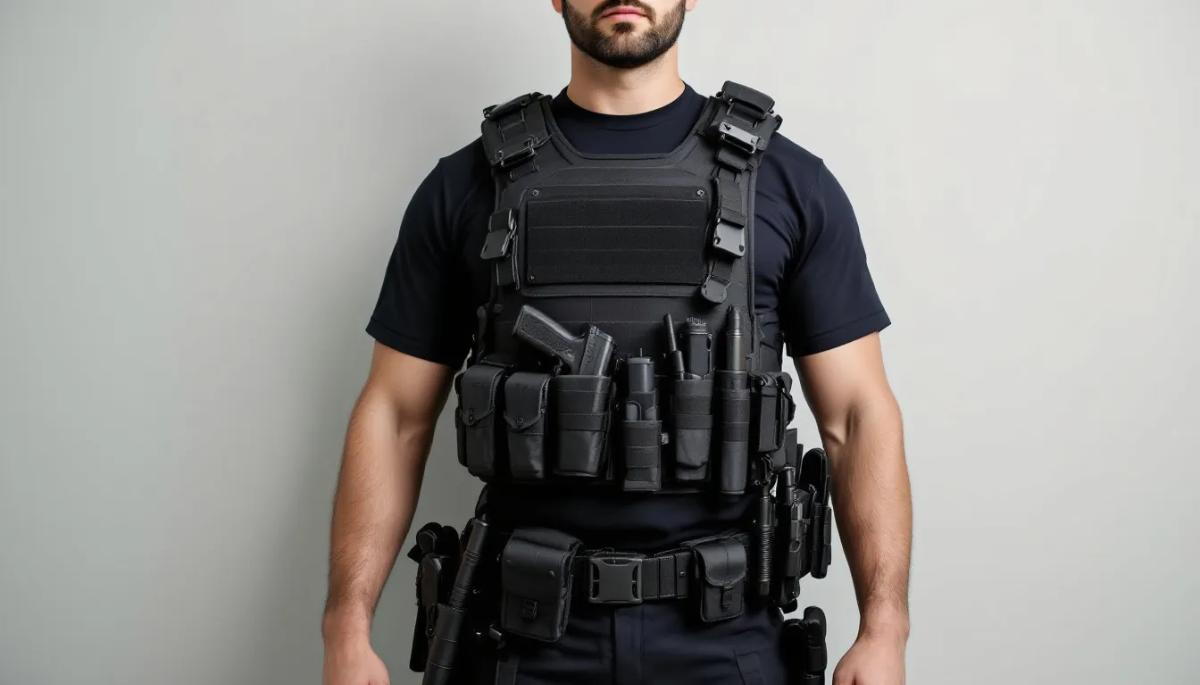
The protective equipment designed to keep law enforcement officers safe may be silently undermining their long-term health and physical performance. Studies reveal that 42-60% of police officers experience lower back pain within a 12-month period, with equipment-related musculoskeletal pain affecting law enforcement officers nationwide at alarming rates. The combination of bulletproof vests and utility belts creates a perfect storm of postural challenges, muscle imbalances, and chronic pain that can significantly impact an officer’s ability to perform duties effectively.
Understanding how bulletproof vest and utility belt causing pain in law enforcement requires examining the biomechanical changes these essential tools create in the body. More importantly, recognizing how chiropractic care can provide targeted relief offers hope for the many police officers struggling with equipment-related discomfort. This comprehensive approach addresses not just the symptoms but the underlying postural and movement dysfunctions that develop from carrying heavy equipment during long hours of police work.

How Bulletproof Vests and Utility Belts Cause Musculoskeletal Pain
The demanding profession of law enforcement requires officers to wear body armor weighing 3-8 pounds, fundamentally altering natural shoulder blade movement and compressing the thoracic spine. This protective equipment, while vital for officer safety, creates a cascade of biomechanical changes that affect spinal health and overall physical performance.
Duty belts present an even greater challenge, typically carrying 15-25 pounds of essential equipment including firearms, handcuffs, radios, and other tools. This concentrated weight creates forward hip tilt and increased lumbar lordosis, forcing the body properly aligned posture into compensatory patterns. When combined with body armor, the total equipment load can exceed 20-30 pounds, representing a significant burden for the musculoskeletal system during 8-12 hour shifts.
The prolonged wearing of this equipment during extended patrol periods causes chronic tension in the rhomboids, trapezius, and paraspinal muscles. These muscle groups work overtime to maintain proper alignment against the constant downward pull of the duty belt and forward compression of the bulletproof vest. Over time, this leads to muscle tension, fatigue, and the development of trigger points that can refer pain to other areas of the body.
Restricted breathing patterns frequently develop due to chest compression from ballistic armor. The vest’s design, intended to distribute impact forces, inadvertently limits thoracic expansion and diaphragmatic function. This reduced respiratory efficiency can contribute to fatigue and may affect an officer’s physical performance during physical confrontations or when chasing suspects.
Law enforcement professionals must also contend with the equipment’s impact on their center of gravity. The forward weight distribution from both vest and belt forces officers into compensatory postures that place additional stress on the cervical spine and lower back. These adaptations, while initially protective, become problematic when maintained for prolonged static positions throughout a shift.
Common Pain Patterns from Police Tactical Gear
The unique physical demands of law enforcement create predictable patterns of musculoskeletal pain and dysfunction. Understanding these patterns helps both officers and healthcare providers recognize equipment-related issues early and implement appropriate interventions.
Mid-back burning sensation between the shoulder blades represents one of the most common complaints among law enforcement officers. This thoracic spine compression results directly from the weight and positioning of body armor, which pulls the shoulders forward and creates excessive tension in the middle trapezius and rhomboid muscles. Officers often describe this as a constant ache that worsens throughout their shift.
Lower back pain and hip flexor tightness stem from duty belt weight distribution, which pulls the pelvis into anterior tilt. This altered pelvic position increases lumbar lordosis and places excessive stress on the facet joints and surrounding musculature. Many officers report stiffness when transitioning from sitting in patrol vehicles to standing, indicating significant hip flexor shortening.
Neck pain and shoulder tension develop from the forward head posture caused by vest positioning. The armor’s weight pulls the shoulders forward, requiring the neck extensors to work harder to maintain visual orientation. This compensation pattern frequently leads to cervical spine dysfunction and can contribute to headaches and upper extremity symptoms.

Reduced thoracic rotation significantly affects shooting stance and defensive tactics performance. The combination of vest rigidity and chronic muscle tension limits the spine’s natural rotation, potentially compromising an officer’s tactical capabilities. This restriction can be particularly problematic during physical altercations where rotational movement is essential.
Breathing difficulties and chest tightness from prolonged vest compression affect many police officers, particularly those with broader chest measurements. The armor’s restrictive nature can limit rib expansion and reduce overall respiratory efficiency, contributing to fatigue during challenging physical exercise or high-stress situations.
Upper Crossed Syndrome in Law Enforcement
Upper crossed syndrome represents a common postural dysfunction pattern observed in law enforcement professionals who wear body armor regularly. This condition involves specific muscle imbalances that develop as direct responses to equipment positioning and weight distribution.
Tight upper trapezius and levator scapulae muscles result from vest weight pulling the shoulders into elevation and protraction. These muscles become chronically shortened and hypertonic, often developing trigger points that can refer pain to the head, neck, and arms. Officers frequently report tension headaches and shoulder pain that correlate with equipment wear time.
Weak deep neck flexors and lower trapezius muscles develop from prolonged forward head posture. The body’s attempt to maintain visual orientation while wearing armor leads to overuse of superficial neck extensors while the deeper stabilizing muscles become inhibited. This imbalance contributes to cervical spine instability and chronic neck pain.
Rounded shoulders and elevated shoulder blades become the default posture for many officers, even when not wearing equipment. The body adapts to the armor’s positioning, creating lasting postural changes that persist beyond duty hours. This adaptation affects both professional appearance and functional movement patterns.
Cervical spine extension and increased thoracic kyphosis develop as compensatory mechanisms. The forward head posture necessary to maintain visual fields while wearing armor places the cervical spine in chronic extension while increasing the thoracic curve. These changes can lead to disc problems and nerve compression over time.
Lower Crossed Syndrome from Duty Belts
Lower crossed syndrome frequently affects police officers due to the anterior weight distribution created by duty belts and attached equipment. This syndrome involves predictable muscle imbalances that can significantly impact an officer’s physical performance and comfort.
Tight hip flexors and erector spinae result from the belt’s tendency to pull the pelvis into anterior tilt. The psoas and rectus femoris muscles adapt to this shortened position, while the erector spinae work overtime to maintain upright posture against the forward pull. This combination creates significant lower back tension and reduces hip mobility.
Weak gluteal muscles and deep abdominal stabilizers develop as the body compensates for altered pelvic positioning. The glutes become inhibited due to chronic hip flexor tightness, while the deep abdominals struggle to provide core stability against the equipment’s destabilizing forces. This weakness contributes to lower back vulnerability during physical confrontation scenarios.
Anterior pelvic tilt and increased lumbar extension become the default pelvic position for many officers. This altered alignment increases stress on the lumbar facet joints and can contribute to disc problems over time. The compensation also affects hip mechanics and can lead to knee injuries during running or tactical movements.
Sacroiliac joint dysfunction frequently develops from altered pelvic mechanics caused by uneven equipment loading. The duty belt’s weight distribution can create asymmetrical forces across the pelvis, leading to sacroiliac joint restriction and referral pain patterns that may mimic disc problems or hip pathology.
How Chiropractic Care Addresses Equipment-Related Pain
Chiropractic care offers targeted solutions for the specific musculoskeletal challenges faced by law enforcement officers wearing tactical equipment. Unlike generic pain management approaches, chiropractic services address the biomechanical root causes of equipment-related dysfunction while providing immediate symptom relief.
Spinal adjustments restore proper thoracic and cervical vertebral alignment that becomes disrupted by chronic equipment wear. These chiropractic adjustments target specific segments that develop restriction due to compensatory posturing, helping to restore joint function and reduce pain. The precision of these interventions makes them particularly effective for addressing the specific dysfunctions created by body armor and duty belt positioning.
Flexion-distraction techniques provide gentle decompression for the thoracic spine compressed by vest weight. This specialized approach creates space between vertebrae while improving disc nutrition and reducing nerve irritation. For officers experiencing mid-back pain from armor compression, this technique offers significant relief while promoting healing.
Soft tissue therapy, including advanced techniques like Graston method, effectively releases fascial restrictions that develop around equipment contact areas. These approaches target the specific tissue adaptations that occur where vests and belts create pressure points, helping to restore normal tissue texture and function while keeping soft tissues stretched and mobile.

Postural rehabilitation exercises strengthen weakened muscle groups while stretching shortened tissues. Chiropractors specializing in occupational health design specific exercise protocols that address the muscle imbalances created by tactical equipment. These programs focus on strengthening the posterior chain while improving flexibility in commonly tight areas.
Breathing exercises restore proper diaphragmatic function impaired by chest compression from armor. These techniques help officers maximize their respiratory efficiency and reduce the fatigue associated with restricted breathing patterns. Improved breathing also supports better stress management and recovery between shifts.
Specific Chiropractic Techniques for Law Enforcement
High-velocity low-amplitude (HVLA) spinal adjustments effectively address thoracic hypomobility that develops from armor wear. These precise interventions restore segmental motion while providing immediate pain relief. The technique’s specificity makes it ideal for targeting the exact levels affected by equipment positioning.
Myofascial release targeting duty belt pressure points and vest contact areas addresses the soft tissue changes that occur with chronic equipment wear. This approach helps prevent the development of adhesions and maintains healthy tissue mobility around areas of constant pressure and friction.
Spinal decompression therapy provides relief for disc pressure created by equipment weight and poor posture. This gentle technique creates negative pressure within the disc space, promoting healing and reducing nerve irritation. For officers with disc-related symptoms, decompression offers a conservative alternative to more invasive interventions.
Trigger point therapy addresses overactive postural muscles that develop in response to equipment positioning. By releasing these hypersensitive areas, soft tissue recovery improves and normal movement patterns can be restored. This technique is particularly effective for addressing the chronic muscle tension associated with upper and lower crossed syndromes.
Evidence-Based Benefits of Chiropractic Care for Officers
Research demonstrates significant benefits of chiropractic care for addressing musculoskeletal disorders common in law enforcement. The Lau et al. (2011) study showed 78% improvement in thoracic mobility after manual therapy interventions, directly addressing one of the primary limitations created by body armor wear.
Officers receiving regular chiropractic care report 60-80% pain reduction within 4-6 weeks of treatment initiation. This improvement typically translates to better job performance, reduced sick leave usage, and improved quality of life both on and off duty. The rapid response time makes chiropractic care particularly valuable for active law enforcement professionals.
Improved shooting accuracy and defensive tactics performance result from restored spinal mobility and reduced pain levels. When officers achieve proper alignment and full range of motion, their tactical capabilities improve significantly. This enhancement can be crucial for officer safety during physical altercations or high-stress situations requiring precise movements.
Departments offering chiropractic services report reduced sick days and workers’ compensation claims related to musculoskeletal injuries. The proactive approach of addressing equipment-related dysfunction before it becomes a more serious injury proves cost-effective for agencies while supporting officer health and career longevity.
Enhanced respiratory function and cardiovascular endurance develop as corrected posture allows for improved breathing mechanics. Officers often report feeling less fatigued during shifts and having better endurance for challenging physical exercise requirements. This improvement supports overall health and job performance.
Studies tracking law enforcement officers nationwide show that those receiving regular chiropractic care maintain higher levels of physical performance throughout their careers. The combination of pain reduction, improved mobility, and enhanced function contributes to better job satisfaction and reduced early retirement rates due to musculoskeletal problems.
Prevention Strategies and Equipment Modifications
Proactive approaches to preventing equipment-related pain focus on both gear modifications and movement strategies. Modular vest systems that distribute weight more evenly across the torso represent a significant advancement in reducing concentrated pressure points while maintaining protection levels.
Suspender-style duty belt attachments help reduce hip loading by transferring some weight to the shoulders. These systems work particularly well for officers carrying heavy equipment loads, as they help prevent the anterior pelvic tilt that contributes to lower back pain and hip dysfunction.
Regular micro-breaks with thoracic extension stretches during shifts can counteract the forward posturing created by equipment wear. Simple exercises performed every 1-2 hours help maintain mobility and prevent the stiffness that accumulates throughout a shift. These breaks are particularly important for officers spending long periods in patrol vehicles.
Pre-shift warming exercises targeting hip flexors and thoracic spine prepare the body for equipment wear while activating key muscle groups. A brief 5-10 minute routine focusing on extension movements and core activation can significantly reduce the impact of equipment positioning on posture and comfort.
Post-shift foam rolling and stretching protocols address equipment-stressed areas before chronic tension develops. Focusing on the thoracic spine, hip flexors, and shoulder girdle helps reset posture and promote soft tissue recovery between shifts. Consistency with these routines proves crucial for preventing chronic pains from developing.

Ergonomic Recommendations for Patrol Vehicles
Patrol vehicles present unique challenges for officers wearing tactical equipment, as the confined space amplifies the effects of armor and belt positioning. Lumbar support cushions help maintain natural spine curvature while seated, countering the flattening effect that occurs when wearing equipment in standard vehicle seats.
Seat adjustments must accommodate vest thickness while maintaining proper knee-to-hip angles. Officers should position seats to prevent excessive hip flexion, which can exacerbate the anterior pelvic tilt created by duty belt weight. Proper seat height and distance from pedals becomes crucial for preventing additional strain.
Steering wheel positioning requires adjustment to reduce shoulder elevation when wearing body armor. The vest’s thickness changes the officer’s relationship to vehicle controls, often requiring repositioning to maintain neutral shoulder alignment. This adjustment helps prevent additional upper trapezius tension.
Console modifications can prevent leaning patterns that create additional thoracic stress. Equipment placement and vehicle layouts should allow officers to access necessary items without excessive reaching or twisting movements that compound the restrictions already created by tactical gear.
Long-Term Health Benefits of Regular Chiropractic Care
Chronic pain conditions affect 89% of officers after 20+ years of service, making preventive care essential for career longevity. Regular chiropractic adjustments help maintain spinal mobility and prevent the gradual injury patterns that accumulate from daily equipment wear. This proactive approach addresses issues affecting police officers before they become career-limiting conditions.
Career longevity improves significantly when equipment-related wear patterns are addressed early through consistent chiropractic care. Officers who receive regular treatment maintain better physical condition throughout their careers, allowing them to meet the demanding profession’s requirements while experiencing less body pain and dysfunction.
Reduced reliance on pain medications represents a crucial benefit in an era of increasing concerns about prescription drug dependence. Chiropractic care offers effective pain relief without the risks associated with long-term medication use, helping officers avoid the addiction risks that can end careers and destroy lives.
Sleep quality improvements result from addressing chronic muscle tension and pain that often interfere with rest. Better sleep supports recovery, stress management, and overall health, creating a positive cycle that enhances both job performance and quality of life. Many officers report falling asleep faster and waking more refreshed after beginning chiropractic care.
Enhanced overall job performance stems from improved mobility, reduced pain, and better physical function. Officers receiving regular chiropractic services often report feeling more confident in their physical abilities, whether responding to emergencies, pursuing suspects, or engaging in physical confrontations. This confidence can be vital for officer safety and effectiveness.
Physical therapists and chiropractors working together can provide comprehensive care that addresses both acute injuries and chronic conditions. This collaborative approach ensures officers receive appropriate care for immediate problems while maintaining long-term spinal health through regular maintenance care.
When to Seek Chiropractic Treatment
Immediate consultation becomes necessary for acute injuries following equipment adjustment or new gear implementation. Changes in vest type, belt configuration, or additional equipment can create new stress patterns that require professional assessment. Early intervention prevents acute problems from becoming chronic conditions.
Monthly maintenance visits benefit officers wearing 20+ pounds of equipment daily, as this level of loading creates predictable stress patterns that require ongoing management. Regular preventative measures early in an officer’s career can prevent the development of chronic pain patterns that become increasingly difficult to resolve over time.
Bi-weekly treatment periods prove optimal during injury recovery or flare-up episodes. Increased frequency allows for more aggressive intervention while providing better monitoring of progress. This approach helps officers return to full duty more quickly while reducing the risk of re-injury.
Pre-employment screening establishes baseline posture and movement patterns before equipment-related changes occur. This assessment provides valuable information for preventing injuries and can guide equipment fitting recommendations. Understanding an officer’s starting point helps predict and prevent future problems.
Annual comprehensive evaluations track equipment-related changes over time, allowing for adjustments in treatment approaches and equipment recommendations. These assessments help identify gradual changes that might otherwise go unnoticed until they become symptomatic, supporting long-term officer health and career sustainability.
Officers complaining of persistent equipment-related discomfort should seek evaluation regardless of timing. Pain is the body’s warning system, and ignoring equipment-related symptoms often leads to more serious conditions that require extensive treatment and time away from duty.
Understanding workers compensation rules and coverage for chiropractic services helps officers access necessary care without financial burden. Many departments recognize the cost-effectiveness of preventive chiropractic care compared to the expense of chronic injury management and lost work time.
The vital role of chiropractic care in maintaining law enforcement officer health cannot be overstated. From preventing injuries to managing chronic conditions, chiropractic services provide targeted solutions for the unique challenges created by tactical equipment wear. Officers who prioritize their spinal health through regular chiropractic care often find themselves patrol feeling completely healed and ready to meet the physical demands of their profession.
Law enforcement professionals experiencing bulletproof vest and utility belt causing pain should consider chiropractic care as a primary intervention for equipment-related musculoskeletal problems. The combination of manual therapy, exercise rehabilitation, and ergonomic guidance provides comprehensive solutions that address both symptoms and underlying causes. With proper care, officers can maintain peak physical condition throughout their careers while minimizing the long-term health impacts of essential protective equipment.