Rib Head Pain: Causes, Symptoms, and Effective Relief Options
- posted: Jun. 16, 2025
Rib head pain comes from problems at the joints between your ribs and spine. It often results from trauma, poor posture, or repetitive motions. This article covers the causes, symptoms, and treatment options for rib head pain.
Key Takeaways
Rib head pain is often caused by disorders affecting the costovertebral joints, leading to discomfort and compromised breathing.
Common triggers include physical trauma, poor posture, and everyday activities like heavy lifting or forceful coughing.
Effective treatment options include chiropractic care, osteopathic treatment, and self-care measures such as stretching and mindful posture.
Understanding Rib Head Pain
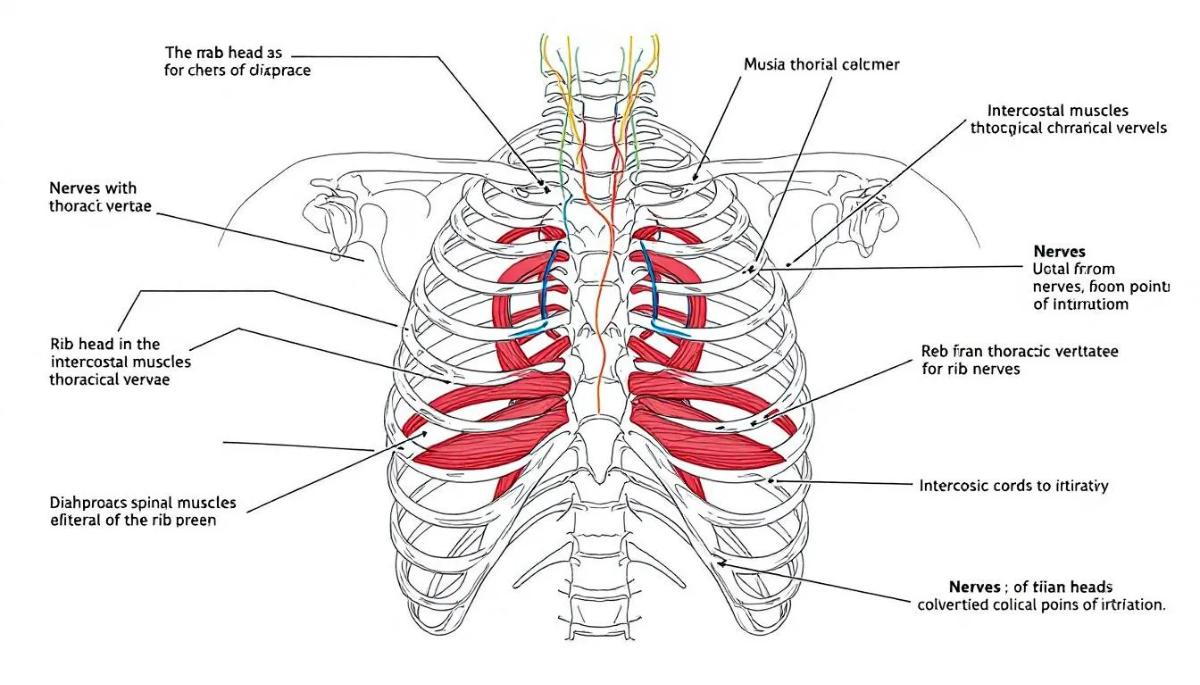
Rib head pain can be a mysterious and frustrating condition. This type of pain originates from disorders affecting the costovertebral joints, which connect the ribs to the vertebrae. When these joints are not functioning correctly, it can lead to discomfort and pain in the ribcage. One common issue is rib head subluxation, a slight misalignment or ‘stuck’ position of a rib at its connection to the spine.
We often hear about misalignments in the spine, but rib head subluxations can be just as painful. These misalignments occur when the rib head shifts out of its normal position, leading to discomfort and restricted movement. This can happen due to various reasons, from physical trauma to repetitive movements involving excessive trunk rotation. When the costotransverse joints are involved, the entire rib cage’s function can be compromised, leading to widespread rib cage pain.
This dysfunction not only causes pain but also affects your ability to breathe deeply and perform daily activities. Rib head pain is a painful condition that should not be ignored as it can significantly impact your quality of life. Understanding the root causes and symptoms of severe pain is the first step toward effective treatment and relief.
Common Causes of Rib Head Pain
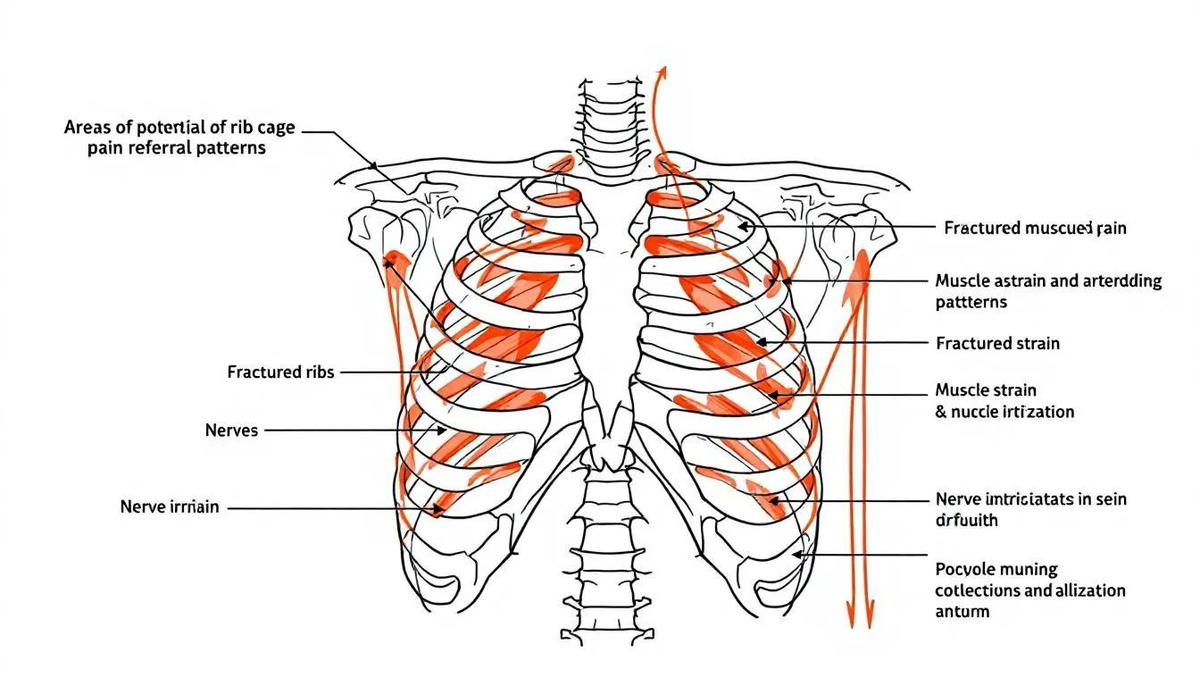
Rib head pain can stem from various sources, and recognizing these can help you avoid potential triggers. One common cause is physical trauma, such as falls or a car accident, which can lead to broken ribs, rib head misalignment, and subsequent pain. Heavy lifting, especially when done incorrectly, is another frequent culprit. Improper techniques can place undue strain on the ribs and lead to misalignment.
Poor posture is another significant factor. Prolonged slouching or maintaining an improper posture can gradually lead to rib head misalignment in the neck. This is particularly common among individuals who spend long hours sitting at desks or working on computers without ergonomic support. Utilizing ergonomic furniture and maintaining a neutral spine position can help prevent these issues.
Even everyday activities can contribute to rib head pain. Forceful coughing or sneezing can sometimes cause rib head misalignment. These seemingly minor actions can be potential risk factors. Mindful posture and proper lifting techniques can significantly reduce the likelihood of experiencing rib head pain.
Symptoms of Rib Head Pain
Recognizing the symptoms of rib head pain is crucial for early diagnosis and treatment. This condition can manifest in various ways, including:
Dull aches
A constant, dull ache in the upper back
Sharp pains that radiate or intensify with certain movements.
These symptoms are often exacerbated by activities that involve deep breathing, coughing, or twisting. For example, you might notice that taking a deep breath or coughing causes severe chest pain or discomfort. In some cases, muscle spasms can accompany these sensations, adding to the overall pain and discomfort, including severe coughing.
Other symptoms may include difficulty breathing, which can make everyday activities challenging. This can be particularly distressing and may lead to shortness of breath or difficulty performing physical tasks. Recognizing these symptoms early can help you seek appropriate treatment and prevent the heart condition and other conditions from worse, affecting your lungs in severe cases.
Diagnosing Rib Head Pain
Diagnosing rib head pain typically begins with:
A thorough evaluation of the patient’s medical history
A detailed discussion of their symptoms, including the onset, duration, and nature of the pain to provide valuable insights into the underlying cause
During the physical exam, palpation techniques are used to identify painful areas in the rib region. This hands-on approach helps pinpoint the exact location of the pain and assess the extent of the injury. In some cases, dynamic ultrasound may be employed to diagnose conditions like slipping rib syndrome. This imaging technique can reveal abnormalities during specific movements, providing a clear picture of the issue.
Identifying the key rib involved in the dysfunction is crucial for effective treatment. Once the problematic rib is identified, targeted treatments can be administered to restore proper alignment and function. Accurate diagnosis is the first step toward relief and recovery, ensuring that you receive the appropriate care for your condition.
Treatment Options for Rib Head Pain
When it comes to treating rib head pain, several options are available. Chiropractic care and osteopathic treatment are two effective methods that can provide significant relief. Additionally, self-care measures can play a crucial role in managing and alleviating pain.
Exploring these treatment options reveals how they can help.
Chiropractic Care
Chiropractic care is a popular and effective treatment option for rib head pain. Chiropractors are trained to diagnose and treat rib misalignments using specific orthopedic tests and thorough examinations. These professionals are well-versed in spinal and joint mechanics, making them ideally suited to address rib head subluxations.
Chiropractic adjustments are targeted at the costovertebral or costotransverse joints to relieve rib pain. Controlled force is applied in these adjustments to restore both alignment and mobility to the joints. This method effectively addresses rib subluxations. Many patients experience immediate relief and improved breathing capacity following a rib adjustment.
The benefits of chiropractic care extend beyond immediate pain relief. These treatments can significantly improve your quality of life by reducing discomfort and restoring normal function. Chiropractic care offers a holistic approach to healing, addressing the root cause of the pain and promoting long-term recovery.
Osteopathic Treatment
Osteopathic treatment is another effective method for managing rib head pain. This approach primarily involves manual therapy techniques that focus on manipulating and mobilizing the rib cage and surrounding muscles. Osteopathic manipulative treatment (OMT) aims to restore proper alignment and function to the rib heads, promoting overall health.
These manual therapy techniques can relieve pain, reduce tension, and improve movement in the affected areas of the rib cage. The expected outcomes from osteopathic treatment include enhanced rib mobility, reduced discomfort during deep breathing, and an overall better quality of life. This approach provides a comprehensive solution to rib head pain, addressing both the symptoms and the underlying issues.
Self-Care Measures
Self-care measures are essential for managing rib head pain and promoting recovery. Applying ice packs to the affected area can help reduce inflammation and alleviate pain. Avoiding strenuous activities that strain the chest area can help prevent exacerbating the condition.
Incorporating regular stretching routines can help alleviate muscle tension in the intercostal muscles and promote flexibility. Breathing deeply and practicing relaxation techniques can also aid in managing pressure, pain, and improving overall well-being, particularly in the chest wall.
These self-care measures can complement professional treatments and contribute to a faster heal recovery and rest.
Preventing Rib Head Pain
Prevention is always better than cure, and this holds true for rib head pain as well. Strengthening your core muscles is one of the most effective ways to stabilize the rib cage and support proper posture. Engaging in regular core-strengthening exercises can help you maintain a strong and stable trunk, reducing the risk of rib misalignment.
Being mindful of your lifting techniques is equally important for your body. Always bend at the knees rather than the waist when lifting heavy objects. This simple adjustment can prevent unnecessary strain on your ribs, minimize the risk of injury, and reduce the chances of bruising, especially if done in improper form.
Additionally, maintaining proper posture throughout the day can help prevent rib head pain caused by prolonged slouching or poor sitting habits. Utilizing ergonomic furniture and taking regular breaks to stretch and move around can also make a significant difference.
Incorporating these preventive measures into your daily routine reduces the likelihood of experiencing rib head pain, leading to a healthier, less pain-free life.
When to Seek Medical Attention
While self-care and preventive measures are essential, there are times when professional medical attention is necessary. If you experience rib pain accompanied by difficulty breathing, it may indicate a serious condition that requires immediate intervention. Similarly, severe rib pain that leads to confusion or dizziness should be evaluated by a medical professional promptly.
Sudden and severe rib pain, especially after trauma, warrants a visit to the doctor. Signs of infection, such as fever or a persistent cough alongside rib pain, should also prompt immediate medical attention. Persistent rib pain that worsens over time, potentially due to broken or bruised ribs or a broken rib or bruised ribs, should not be ignored, as it may indicate an underlying issue that needs further evaluation.
Early diagnosis and treatment can prevent complications and ensure a faster recovery. If you experience any of these symptoms for a few weeks, do not hesitate to seek medical advice regarding swelling cancer. Your health and well-being should always be a priority.
Summary
In summary, rib head pain is a condition that can significantly impact your daily life. Understanding the causes and symptoms is crucial for effective diagnosis and treatment. Whether it’s due to physical trauma, poor posture, or everyday activities, recognizing the signs early can help you take the necessary steps toward relief.
Various treatment options are available, including chiropractic care, osteopathic treatment, and self-care measures. Each of these methods offers unique benefits and can be tailored to meet your specific needs. By combining professional treatments with preventive measures, you can manage rib head pain effectively and improve your quality of life.
Remember, if you experience severe or persistent rib pain, seeking medical attention is essential. Early intervention can prevent complications and ensure a faster recovery. Take proactive steps to care for your ribcage and enjoy a healthier, pain-free life.
Frequently Asked Questions
What are the common causes of rib head pain?
Rib head pain often results from physical trauma, poor posture, improper lifting techniques, or repetitive activities such as forceful coughing or sneezing. Addressing these underlying issues can help alleviate the pain.
What symptoms should I look out for with rib head pain?
You should look for dull aches, sharp pains, and muscle spasms, along with difficulty breathing and exacerbated pain during deep breathing, coughing, or twisting motions. These symptoms can indicate rib head pain that may require further evaluation.
How is rib head pain diagnosed?
Rib head pain is diagnosed through a thorough evaluation of the patient's medical history and a physical examination, often complemented by dynamic ultrasound to pinpoint any abnormalities.
What are the treatment options for rib head pain?
For rib head pain, effective treatment options include chiropractic care, osteopathic treatment, and self-care measures such as applying ice, avoiding strenuous activities, and engaging in regular stretching. Adopting these strategies can help alleviate discomfort and promote recovery.
When should I seek medical attention for rib head pain?
You should seek medical attention for rib head pain if you encounter severe pain, difficulty breathing, confusion, dizziness, or symptoms of infection such as fever or a persistent cough. Prompt care is crucial to address these potentially serious conditions.