Understanding Forward Head Posture: Causes, Impact, and Solutions
- posted: Jan. 10, 2025
Understanding Forward Head Posture: Causes, Impact, and Solutions
Dr. James Fraser | Doctor of Chiropractic
Understanding Forward Head Posture: Causes, Impact, and Solutions
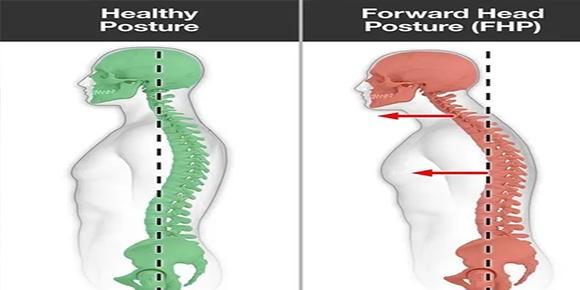
Good posture is fundamental not only for aesthetic reasons but also for protecting your bones, muscles, and ligaments from unnecessary strain. At Spine Spot Chiropractic, located in Basalt, Colorado, Dr. James Fraser emphasizes the critical role of posture in maintaining overall well-being. Forward head posture (FHP) affects the entire human body, not just the neck, by altering muscle activity, neurovascular structures, and overall musculoskeletal alignment. Normal posture is the ideal alignment of the head, neck, and spine, which helps prevent muscular strain, joint stress, and pain. Deviations from normal posture, such as FHP, can lead to a range of musculoskeletal and neurological issues.
What is Forward Head Posture (FHP)?
Forward head posture (FHP) arises when the head juts forward beyond the shoulders instead of aligning with the spine, so the head moves forward relative to the body's gravity line. This head forward position disrupts neck posture and can trigger a series of postural issues, causing muscle strain and pain. The lower cervical spine is often flexed in FHP, while the upper cervical spine may become hyperextended, affecting the posterior neck muscles and levator scapulae muscles. A simple test to check for FHP involves standing against a wall with your heels touching it. If you can fit three or more fingers between the wall and the back of your head, you might have FHP. This condition is increasingly common due to prolonged periods spent looking down at computers and mobile devices. Text neck is a related condition resulting from prolonged smartphone use, which contributes to forward head posture and can cause cervical spine caused problems such as ligament elongation and pain. Occupational medicine and musculoskeletal medicine both recognize the importance of addressing FHP to prevent related disorders.
The Domino Effect of Forward Head Posture
The forward shift of the head pulls the shoulders along, leading to a rounded shoulder posture and excessive curvature of the upper back, known as hyperkyphosis or thoracic kyphosis. This rounded upper back is often accompanied by rounded shoulders, further contributing to musculoskeletal imbalance. Extended neck alignment and habitual leaning forward cause muscle shortening at the skull base, often resulting in headaches, tension headaches, and spinal misalignment. FHP increases neck stress, contributing to headaches, cervical pain, muscle pain, and reducing neck mobility. Additionally, device overuse and the associated downward gaze—commonly linked to “nomophobia,” the fear of being without a phone—aggravates FHP, possibly influencing mood and physical health. Studies have shown that good posture can boost confidence and promote a positive self-image, whereas slumping can lead to depressive feelings. FHP can also overstretch or weaken the connective tissue in the neck, leading to further instability and risk of injury. The thoracic spine plays a key role in postural alignment, and poor posture can affect both the cervical and thoracic regions. FHP may also cause mechanical stress on the spinal cord and affect nerve roots, leading to neurological symptoms. BMC musculoskeletal disorders are often associated with postural misalignments like FHP.
What is Good Head Posture?
Good head posture involves keeping your head level, with earlobes aligned with the shoulders, thereby offsetting FHP’s effects. Maintaining good posture is essential for preventing FHP and its associated complications. Keeping the head upright and the computer screen at eye level helps support proper neck posture and reduces strain.
How Chiropractors Can Help with Forward Head Posture
Chiropractors like Dr. James Fraser are experts in body biomechanics and posture. If FHP is detected, chiropractic adjustments to the cervical spine can realign your body using precise movements. Manual therapy and interventions from musculoskeletal medicine can help restore alignment and function. Dr. Fraser can also recommend exercises, stretches, and devices to help you maintain better posture. He’ll provide lifestyle tips to prevent FHP from recurring and may suggest back and musculoskeletal rehabilitation as part of a comprehensive treatment plan. Fix forward head posture through professional care and ongoing support.
Exercises to Reverse Forward Head Posture
Reversing FHP requires exercise and conscious effort. Consider the following exercises after consulting with a chiropractor:
Chin Tucks: Retract your chin to realign your head and strengthen the deep cervical flexors, which are crucial for neck alignment and stability.
Pectoral Stretches: Open up the chest to counteract shoulder rounding.
Rhomboid Stretches: Strengthen the back muscles connecting the shoulder blades to the spine.
Motion Control Exercises (MCEs): Practices like yoga, Pilates, or tai chi to improve posture and flexibility.
Strengthening Exercises: Focus on improving muscle strength in the neck and upper back to support posture and counteract muscle weakness.
Head Rotation: Incorporate gentle head rotation in stretching or mobility exercises to enhance cervical range of motion.
Thoracic Spine Foam Rolling: Use foam rolling to address thoracic spine mobility and correct a rounded upper back.
Work on Muscle Tissue: Techniques such as static compression can help relieve tension in muscle tissue and myofascial trigger points in the posterior neck region and surrounding muscles.
Improving cervical range of motion and targeting extensor muscles, levator scapulae muscles, and surrounding muscles of the cervical spine are important for postural correction. Physical therapy science supports these interventions as effective for FHP.
Lifestyle Changes to Counteract FHP
Dr. Fraser might suggest these lifestyle adjustments:
Sit with your chest elevated.
Position your computer screen at eye level to keep your head upright and maintain a neutral neck posture.
Use a chair with a supportive headrest.
Take breaks to stand and stretch every 20 to 30 minutes.
Consider a cervical pillow to support the head and neck’s natural curve.
Correcting FHP takes time and awareness, as the body and mind require retraining to maintain better posture. FHP can affect postural control and balance, so ongoing attention to ergonomics and strengthening is important. For concerns about forward head posture and its health impacts, contact Dr. James Fraser at Spine Spot Chiropractic for tailored advice and care.
For more information click below
Treatment for Forward Head Posture
Introduction to Forward Head Posture
Forward head posture (FHP) is a common postural deviation where the head is positioned ahead of the shoulders, disrupting the body’s natural alignment. This misalignment often leads to chronic neck pain, muscle tightness, and even headaches, significantly impacting daily comfort and quality of life. FHP frequently develops as a result of poor posture habits, such as slouching or spending prolonged periods looking down at screens. Over time, these habits can weaken the muscles that support proper head posture, making it harder to maintain a healthy alignment. Consulting a physical therapist can be invaluable for diagnosing forward head posture and creating a personalized plan to address muscle tightness and restore correct posture, helping to relieve pain and prevent further issues.
Anatomy and Biomechanics of the Cervical Spine
The cervical spine, made up of seven cervical vertebrae, is essential for supporting the head and allowing a wide range of movement. The upper cervical vertebrae, in particular, bear much of the head’s weight and play a key role in maintaining proper head posture. When forward head posture develops, the delicate balance between the cervical vertebrae, surrounding ligaments, and muscles is disrupted. The posterior cervical muscles, including the suboccipital muscles, often become tight and shortened, while other muscles may weaken. This imbalance can affect the stability and function of the cervical spine, leading to discomfort and reduced mobility. Understanding the anatomy and biomechanics of the cervical spine is crucial for anyone looking to improve forward head posture and maintain spinal health.
Causes of Forward Head Posture
Forward head posture can develop from a variety of everyday habits and underlying issues. Poor posture, such as slouching or leaning forward while sitting or standing, places extra strain on the neck muscles and encourages the head to move out of alignment. Spending long hours at a computer or looking down at a smartphone can also contribute to FHP, as these activities often involve holding the head in a forward position. Weakness in the deep neck flexors, which are responsible for stabilizing the head and neck, can make it even harder to maintain proper posture. Additionally, previous neck injuries, such as whiplash, can alter muscle function and joint alignment, increasing the risk of developing forward head posture. Identifying these contributing factors is the first step toward correcting FHP and restoring healthy head posture.
Symptoms and Complications of Forward Head Posture
The symptoms of forward head posture can range from mild discomfort to more serious complications. Many people experience chronic neck pain, muscle tightness, and headaches as a result of FHP. Limited range of motion in the neck and upper back is also common, making everyday movements more difficult. Over time, FHP can lead to upper crossed syndrome, a condition where the muscles of the upper back and neck become imbalanced, causing pain and stiffness in the neck, shoulders, and upper back. In some cases, the cervical facet joints between the vertebrae can become inflamed, leading to additional pain and reduced mobility. Severe or long-standing FHP may even compress nerves, resulting in numbness, tingling, or weakness in the arms and hands. If you notice these symptoms, it’s important to consult a physical therapist or healthcare provider to address forward head posture and prevent long-term complications.
Impact on the Brain Stem and Cognitive Function
Forward head posture doesn’t just affect the muscles and joints of the neck—it can also have a significant impact on the brain stem and cognitive function. The brain stem, located at the base of the skull, is responsible for regulating vital functions such as breathing, heart rate, and blood pressure. When the head is held in a forward position, it can place pressure on the brain stem, potentially leading to symptoms like dizziness, lightheadedness, and fatigue. Chronic strain on the neck muscles and joints can also contribute to ongoing stress, which may negatively affect attention, memory, and concentration. By working with a physical therapist to improve forward head posture through targeted exercises and postural correction, you can help relieve these symptoms and support better cognitive function and overall well-being.
For more information click below