Release of Endorphins and Enkephalins After Chiropractic Adjustment
- posted: Jun. 11, 2025
Understanding Endorphins and Enkephalins
Dr. James Fraser | Doctor of Chiropractic
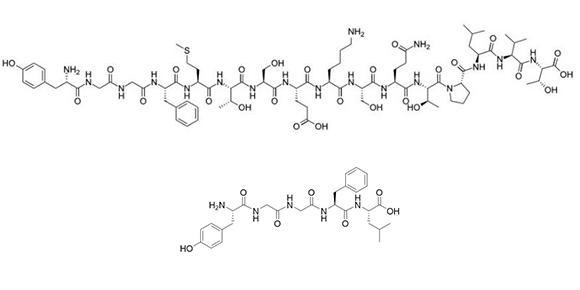
Endorphins are neurotransmitters produced in the brain that help relieve pain and induce feelings of pleasure or euphoria. Endorphins are peptides composed of amino acids and are derived from larger precursor proteins.
Enkephalins are another group of opioid peptides that play a role in regulating pain and emotion. Enkephalins are a type of enkephalin peptides and act as endogenous ligands for opioid receptors.
Enkephalins and endorphins, along with other opioid peptides, are produced in various tissues including the adrenal medulla and are related to other peptides such as melanocyte stimulating hormone, which is also derived from precursor proteins.
What Are Endorphins?
Endorphins are neurotransmitters produced by the central nervous system and the pituitary gland. They are often referred to as the body's natural painkillers due to their ability to inhibit the transmission of pain signals and promote feelings of well-being.
The Role of Enkephalins
Enkephalins, like endorphins, are part of the body's intrinsic opioid system. They bind to opioid receptors in the brain and spinal cord to help control pain and modulate bodily responses to stress and relaxation.
The Mechanism of Their Release
How Chiropractic Adjustments Trigger Neurochemical Release via Opioid Receptors
A chiropractic adjustment is a deliberate mechanical force delivered through a precise thrust to a specific joint segment. Chiropractic adjustments involve specific manipulations of the spine, which can lead to neurochemical changes within the body. In addition to endorphins, chiropractic adjustments may stimulate the release of endogenous enkephalin and other opioid peptides, reflecting the involvement of the body's endogenous opioid systems. Chiropractors are highly skilled in administering these specific adjustments effectively based on individual assessments to optimize spinal and joint function. The mechanical force applied during an adjustment is believed to stimulate the release of endorphins and enkephalins by influencing the nervous system. The release of specific endogenous opioid peptides, such as enkephalin peptides and endogenous enkephalins, is part of the body's broader endogenous opioid systems. Other opioid peptides may also be released during adjustment, contributing to the overall effect.
The Science Behind the Phenomenon in the Central Nervous System
Research suggests that spinal adjustments may activate certain pathways in the nervous system responsible for pain modulation. These adjustments often target a complex in your spine—a group of joint segments that can become misaligned or ‘stuck’, leading to pain, dysfunction, and limited mobility.
The enhancement of these pathways encourages the release of endorphins and enkephalins, which are endogenous peptides that act as endogenous ligands for opiate receptors. By binding to these opiate receptors, they mediate pain relief and mood enhancement. The body’s response to adjustment includes the release of various neurochemicals, such as beta endorphin, which help manage pain and stress. Additionally, during the adjustment, nitrogen gas is released from the joint, producing the characteristic popping sound.
Mechanisms of Action on Opiate Receptors
The human body’s ability to manage pain and regulate mood is deeply influenced by the interaction between endogenous opioid peptides—such as enkephalins and β endorphin—and specialized proteins known as opioid receptors. These opioid peptides act as endogenous ligands, binding to opiate receptors like the μ (mu) and δ (delta) opioid receptors found throughout the central nervous system. When these endogenous opioids attach to their respective opioid receptors, they initiate a series of cellular events that dampen pain perception and influence reward-related behaviors.
The μ opioid receptor is especially important in the modulation of severe pain and is the primary target for many opioid drugs used in clinical settings. Activation of this receptor by endogenous opioid peptides leads to a reduction in pain sensation and can also produce feelings of euphoria. The δ opioid receptor, meanwhile, plays a significant role in emotional regulation and the processing of rewarding experiences. Both enkephalin and β endorphin, as well as other endogenous opioid peptides, contribute to these effects by engaging with opiate receptors and triggering signaling pathways that alter how the nervous system responds to pain and pleasure. This intricate system helps explain why chiropractic adjustments, which stimulate the release of these peptides, can have such a profound impact on both physical and emotional well-being.
Effect on the Nucleus Accumbens
One of the most fascinating aspects of the endogenous opioid system is its influence on the nucleus accumbens, a key brain region involved in reward-related behaviors and motivation. The nucleus accumbens is densely populated with opioid receptors, making it highly responsive to the actions of endogenous opioid peptides like β endorphin. When these opioid peptides bind to μ opioid receptors in the nucleus accumbens, they enhance the release of dopamine—a neurotransmitter closely linked to feelings of pleasure and motivation.
This process not only amplifies the perception of reward but also plays a role in shaping behaviors related to motivation and emotional well-being. The δ opioid receptors in the nucleus accumbens further modulate dopamine release and help process emotional information, contributing to the balance between pleasure and emotional regulation. The interplay between μ and δ opioid receptors in this brain region is crucial for maintaining healthy reward-related behaviors and preventing the development of maladaptive patterns, such as those seen in addiction. By supporting the release of endogenous opioid peptides, chiropractic adjustments may positively influence the functioning of the nucleus accumbens, promoting a sense of well-being and motivation.
Involvement in Incentive Motivation
Incentive motivation—the drive to pursue rewarding or pleasurable experiences—is closely regulated by the endogenous opioid system. The μ opioid receptor, in particular, is a central player in this process. When endogenous opioid peptides like β endorphin activate the μ opioid receptor, they stimulate the release of dopamine in the nucleus accumbens, heightening the sensation of pleasure and reinforcing motivation to engage in rewarding activities.
This mechanism is not only important for natural rewards, such as food or social interaction, but also underlies the potential for addictive behaviors when the system is overstimulated. The δ opioid receptors also contribute to incentive motivation, though their effects are more nuanced and involve the modulation of emotional responses. The balance between μ and δ opioid receptor activation ensures that incentive motivation remains adaptive and supports healthy behavior patterns. By influencing the endogenous opioid system through chiropractic adjustment, it may be possible to support balanced incentive motivation, contributing to both pain relief and emotional resilience.
Benefits of Endorphins and Enkephalins Release
Alleviating Pain Perception Naturally
Perhaps the most significant benefit of this neurochemical release is the reduction of pain. Chiropractic adjustments help normalize spinal function by relieving pressure, pain, and dysfunction, and adjustments help normalize spinal function relieving pressure and pain. Restoring spinal function and relieving pressure is a key function of chiropractic care. The action of endorphins and enkephalins on opioid receptors helps alleviate discomfort, making chiropractic care a natural and effective method for pain management.
Promoting Emotional Well-being
Beyond physical pain relief, the increased levels of endorphins and enkephalins can enhance emotional well-being. The release of these neurochemicals can induce feelings of pleasure and euphoria, providing pleasure and euphoria symptom relief due to releases endorphins. Many patients report a sense of calmness due to release of these neurotransmitters after an adjustment. These neurotransmitters are associated with feelings of happiness and relaxation, contributing to an overall improved mood after an adjustment.
Clinical Studies on Chiropractic Adjustment
Clinical studies have provided valuable insights into how chiropractic adjustment can influence the endogenous opioid system, particularly in the context of pain perception. Research has shown that chiropractic adjustments can stimulate the release of β endorphin, a powerful endogenous opioid peptide, in response to noxious stimuli. This increase in β endorphin levels is associated with a reduction in pain perception and an improvement in overall well-being.
Furthermore, chiropractic adjustments have been found to modulate the activity of the μ opioid receptor, which is central to both pain regulation and reward processing. By enhancing the function of the endogenous opioid system, chiropractic care offers a non-pharmacological approach to managing pain and supporting the body’s natural healing mechanisms. These findings suggest that chiropractic adjustment is not only effective for acute pain relief but may also play a role in the long-term regulation of the opioid system, providing a safe and holistic alternative to opioid drugs and their associated risks.
Chiropractic Adjustments vs. Traditional Pain Management
A Natural Alternative
Chiropractic adjustments offer a non-invasive, drug-free alternative to traditional pain management methods. Misalignments or dysfunctions in the spine and joints can result in anatomical alignment limiting your body's ability to heal and function properly. Chiropractic care focuses on bringing the body back into normal alignment, which is crucial for optimal health and function. By restoring anatomical alignment, chiropractic adjustments help remove barriers that may be alignment limiting your body's natural healing processes. By leveraging the body's natural chemicals, chiropractic care can reduce dependency on pharmaceuticals and their potential side effects.
Holistic Approach to Health
Chiropractic care not only addresses the symptoms of pain but also encourages a holistic approach to health. Life often brings stress, injury, or repetitive movement patterns, which can lead to misalignments and dysfunction in the spine and joints. These issues—whether caused by injury or repetitive movement, stress injury or repetitive activities, or the fact that daily life often brings stress injury—can disrupt normal joint motion and contribute to pain or reduced function. Chiropractic care addresses these concerns holistically to restore proper function. By improving spinal health and stimulating the release of beneficial neurochemicals, chiropractic care promotes overall well-being and enhances the body's natural healing capabilities.
Conclusion: Embracing the Natural Healing Power of Chiropractic Care
Chiropractic adjustments do more than align the spine; they harness the body's natural ability to heal itself. By facilitating the release of endorphins and enkephalins, chiropractic care provides an effective, natural means of pain relief and emotional well-being.
As we continue to understand the profound effects of neurochemical release through chiropractic care, it becomes clear that this approach offers a powerful alternative to conventional pain management strategies. Embrace chiropractic care as a pathway to holistic health and experience the transformative benefits of natural healing.
If you're seeking a natural approach to pain management and enhanced well-being, consider visiting a chiropractor. Experience firsthand the benefits of endorphin and enkephalin release, and take a significant step towards a healthier, pain-free life. For more insights on chiropractic care and holistic health, connect with Dr. James Fraser.