What is the Difference Between a Chiropractic Instrument vs a Manual Adjustment?
- posted: Sep. 15, 2025
When considering chiropractic treatment, many patients wonder about the different techniques available and which approach might work best for their specific needs. The word chiropractic comes from Greek origins meaning “done by hand,” yet modern chiropractic care offers both traditional manual techniques and advanced instrument-assisted methods. Understanding these two primary approaches can help you make an informed decision about your chiropractic treatment and feel more comfortable during your visits.
Both manual adjustments and instrument assisted adjustments aim to restore proper joint motion, alleviate pain, and improve your overall musculoskeletal health. While the methods differ in their application, research studies consistently show that both approaches deliver similar results when performed by trained chiropractors. The choice between manual and instrument adjustments often comes down to patient preference, specific health conditions, and the doctor’s assessment of your individual needs.
Key Differences Between Manual and Instrument Adjustments
The fundamental difference between these chiropractic techniques lies in how force is applied to your patient’s musculoskeletal system. Manual adjustments use the chiropractor’s hands to apply controlled force directly to joints and the spine, while instrument adjustments utilize specialized devices like the Activator instrument or ArthroStim to deliver precise, controlled force to specific areas.
During manual chiropractic adjustments, you’ll often hear the characteristic “popping” or “cracking” sounds that result from cavitation - the rapid formation and collapse of gas bubbles within synovial joints. This negative pressure created inside the joint space is completely normal and indicates successful joint movement. In contrast, instrument assisted techniques deliver lighter, faster thrusts with minimal sound or discomfort, making them ideal for patients who prefer a quieter treatment experience.

The precision level also differs significantly between these methods. While manual techniques rely on the chiropractor’s sensory feedback and years of training to assess tissue response, instrument based care provides exact force measurements and targeting. Most commonly used technique variations of manual adjustment can vary slightly in force application, whereas instruments deliver consistent, repeatable treatments with the same amount of pressure each time.
Both approaches achieve similar therapeutic outcomes according to clinical research. Many patients report comparable pain relief and improved range of motion regardless of which method their chiropractor uses. The choice often depends on individual comfort levels, specific conditions being treated, and the practitioner’s expertise with different chiropractic techniques.
Manual Chiropractic Adjustments Explained
Manual adjustments represent the traditional approach to chiropractic care, where chiropractors use their hands to manipulate joints and restore normal range of motion. This hands-on method allows doctors to provide immediate sensory feedback about tissue response, muscle tension, and joint movement during treatment. The traditional hand placement and controlled force application require extensive training and physical conditioning from practitioners.
During a manual adjustment, your chiropractor will position your body in specific ways to target the affected joint. Using a quick, precise thrust, they’ll apply controlled force to move the joint beyond its normal range of motion, often creating that familiar “pop” sound. This cavitation sound occurs when gas bubbles form and collapse within the synovial fluid, similar to cracking your knuckles but applied therapeutically to restore proper joint function.
The traditional chiropractic approach offers several advantages for both patients and practitioners. Chiropractors can feel tissue changes in real-time, allowing them to adjust their technique mid-treatment based on how your body responds. This immediate feedback helps ensure optimal treatment outcomes and allows for personalized adjustments to your specific musculoskeletal needs.
Manual techniques work exceptionally well for most people, particularly those comfortable with the traditional adjustments and the sounds they produce. Athletes often prefer manual manipulation because they can feel the immediate joint resulting mobility and range of motion improvements. The direct contact also allows chiropractors to assess muscle tone changes and tissue response throughout the adjustment process.
However, manual adjustments do require significant physical strength from the practitioner and can cause fatigue over extended treatment sessions. Some patients may find the force application uncomfortable, especially those with acute injuries, osteoporosis, or other conditions requiring extremely gentle treatment approaches.
Instrument-Assisted Chiropractic Adjustments
Instrument assisted adjustments utilize mechanical devices to deliver controlled, precise force to specific areas of your spine and joints. These specialized tools reduce physical strain on chiropractors while maintaining the same treatment effectiveness as traditional manual techniques. The instruments can deliver the same therapeutic force as manual adjustments but concentrated in smaller, more targeted areas.
Modern chiropractic instruments offer remarkable precision and consistency. Unlike manual techniques that can vary slightly based on the practitioner’s physical condition or fatigue level, instruments deliver exactly the same force and speed with each application. This consistency ensures reliable treatment outcomes and allows for more predictable patient responses.

The gentle force delivered by these instruments makes them ideal for elderly patients, children, or individuals with acute injuries requiring careful treatment. Many patients who feel anxious about traditional adjustments find instrument methods more comfortable and less intimidating. The treatments are typically faster, allowing practitioners to address multiple areas efficiently during a single appointment.
Instrument adjusting also benefits practitioners by reducing the physical demands of performing manual adjustments throughout long workdays. This sustainability allows chiropractors to maintain consistent treatment quality and extend their careers while delivering effective patient care.
Common Chiropractic Instruments
Several specialized instruments have revolutionized modern chiropractic treatment, each designed for specific applications and patient needs. Understanding these tools can help you feel more comfortable if your chiropractor recommends instrument assisted care for your condition.
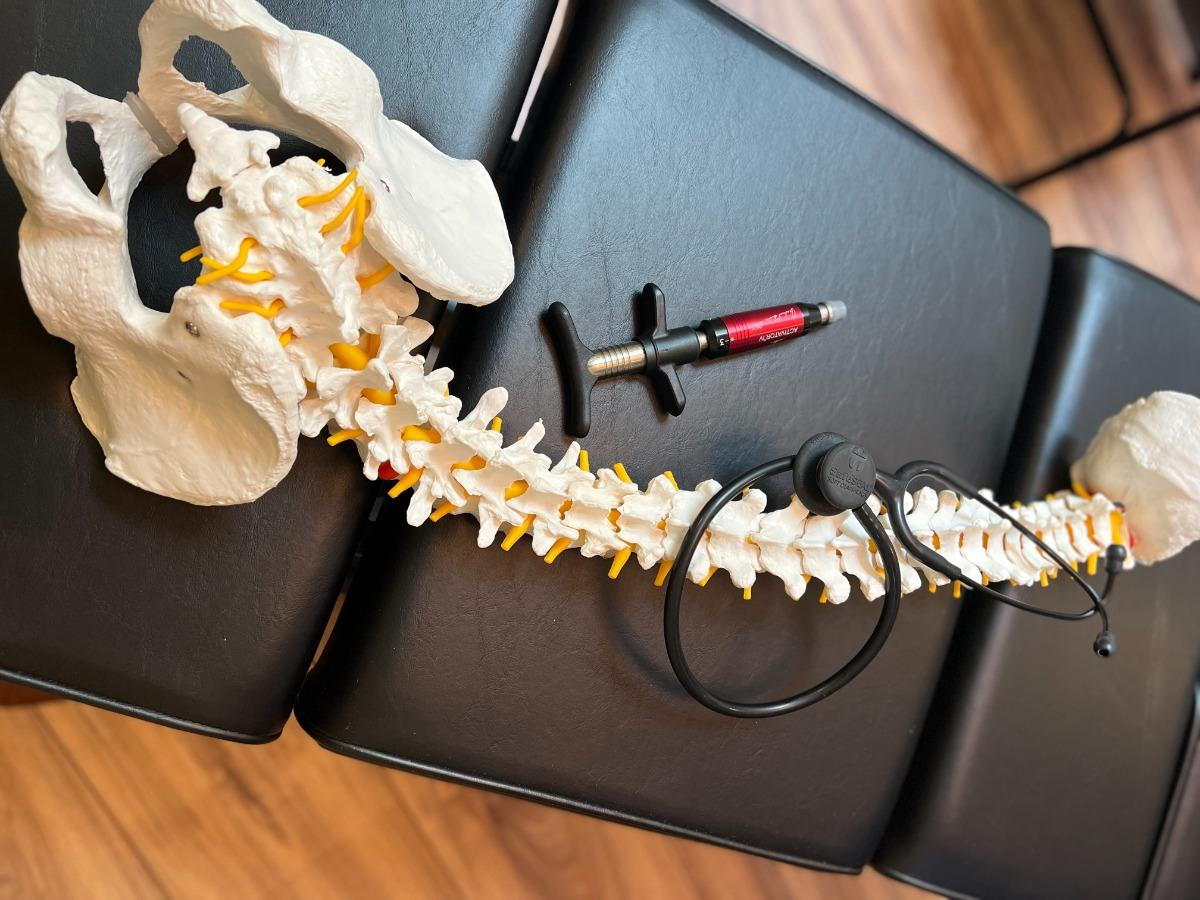
The Activator Method represents one of the most widely used instrument techniques in chiropractic care. This spring loaded device delivers between 10-40 pounds of precise thrust force in a fraction of a second. The Activator adjustment provides highly targeted treatment to specific vertebrae or joints without affecting surrounding areas. Research has demonstrated the activator adjustments produce excellent results for various conditions while maintaining extremely low risks of adverse effects.
The ArthroStim instrument takes a different approach, providing rapid, multiple adjustments at frequencies up to 14 thrusts per second. This high speed percussion method stimulates mechanoreceptors and promotes healing in both joints and soft tissues. The device proves particularly beneficial for treating disc injuries and soft tissue problems resulting from auto accidents or sports injuries.
Other specialized instruments include the Vibracussor, which combines vibration and percussion for muscle and soft tissue treatment, and Atlas Orthogonal instruments designed specifically for upper cervical spine adjustments. Each tool serves specific purposes within a comprehensive treatment plan tailored to your individual health goals.
Drop away table techniques represent another form of instrument assisted care, where specialized tables with segmented sections “drop” during the adjustment to assist force delivery while reducing the practitioner’s physical effort. These tables work in combination with manual techniques to enhance treatment effectiveness while maintaining patient comfort.
Effectiveness and Safety Comparison
Extensive research studies have consistently demonstrated that both manual and instrument assisted adjustments produce comparable patient outcomes when performed by qualified practitioners. Clinical trials examining pain reduction, improved mobility, and patient satisfaction show no statistically significant differences between the two approaches for most conditions.
A comprehensive analysis of chiropractic treatment effectiveness found that both methods demonstrate excellent safety profiles with minimal risk of adverse effects. The injury and side effects rates remain extremely low for both manual and instrument techniques when performed by properly trained chiropractors. Most reported side effects are minor and temporary, such as mild soreness or stiffness following treatment.
Treatment Method | Effectiveness Rate | Safety Profile | Patient Satisfaction |
|---|---|---|---|
Manual Adjustments | 85-90% | Excellent | High |
Instrument Adjustments | 85-90% | Excellent | High |
Recovery times and pain reduction results show statistical similarity between approaches across various conditions including lower back pain, neck pain, and headaches. Both methods effectively restore joint motion, reduce inflammation, and promote natural healing processes within your body’s musculoskeletal system.
Patient satisfaction rates remain consistently high for both manual and instrument techniques. The choice often depends on individual comfort levels rather than treatment effectiveness. Some patients prefer the immediate feedback and traditional feel of manual adjustments, while others appreciate the gentleness and precision of instrument methods.
Long-term outcomes also show comparable results between the two approaches. Patients receiving either treatment type report similar improvements in daily function, pain levels, and quality of life measures. The key factor in successful outcomes appears to be receiving appropriate care from a qualified chiropractor rather than the specific technique used.
Which Adjustment Type is Right for You?
Choosing between manual and instrument adjustments depends on several individual factors including your medical history, comfort level, and specific condition requirements. Many patients benefit from either approach, but certain circumstances may make one method more suitable for your particular needs.
Manual adjustments work exceptionally well for patients seeking the traditional chiropractic experience and those comfortable with the characteristic sounds associated with joint cavitation. If you’re an athlete or someone who enjoys feeling the immediate joint resulting mobility, manual techniques may provide the tactile feedback you prefer. These traditional adjustments also work well for patients with chronic conditions who have developed tolerance for standard chiropractic treatment.

Instrument methods offer significant benefits for individuals with osteoporosis, recent surgeries, or stroke history where gentle force is essential. Children and elderly patients often prefer the lighter touch and reduced discomfort of instrument assisted treatments. If you experience anxiety about traditional “cracking” sounds or have acute injuries requiring careful handling, instruments may provide the ideal solution.
Certain medical conditions specifically benefit from instrument precision. Patients with disc problems, pinched nerves, or inflammatory conditions often respond better to the targeted, gentle force delivery that instruments provide. The controlled application reduces risk of aggravating sensitive tissues while still achieving therapeutic benefits.
Your chiropractor will evaluate multiple factors when recommending the most appropriate method for your treatment plan. These considerations include your age, overall health status, specific diagnosis, pain levels, and personal preferences. Most experienced practitioners are skilled in both techniques and can adapt their approach based on your response to treatment.
Many successful treatment plans incorporate combination approaches, using both manual and instrument techniques as appropriate for different areas or stages of healing. This flexibility allows your doctor to customize care precisely to your evolving needs throughout the recovery process.
The most important factor is finding a qualified chiropractor who listens to your concerns, explains treatment options clearly, and works with you to develop a personalized approach. Whether you receive manual adjustments, instrument assisted care, or a combination of both methods, the key to success lies in consistent treatment and open communication with your healthcare provider.
Don’t hesitate to discuss your preferences and any concerns with your chiropractor during your consultation. A professional practitioner will respect your comfort level and work within your preferences while ensuring you receive the most effective treatment for your specific condition. Remember that both approaches have helped millions of patients achieve pain relief and improved function - the right choice is simply the one that works best for your individual circumstances and health goals.