What is the Popping Sound During a Chiropractic Adjustment?
- posted: Sep. 15, 2025
That distinctive popping sound during a chiropractic adjustment is one of the most recognizable aspects of chiropractic care. Many patients experience a mix of curiosity and concern when they hear that cracking sound for the first time. The good news is that this popping noise is completely normal and experienced by most patients during spinal manipulations.
Understanding what causes this sound can help alleviate any anxiety and provide insight into the fascinating science behind chiropractic techniques. Whether you’re considering chiropractic treatment for neck pain, back discomfort, or overall spinal health, knowing the facts about joint popping can help you make informed decisions about your healthcare.
In this comprehensive guide, we’ll explore the science behind cavitation, examine different chiropractic techniques, debunk common myths, and explain when joint sounds might indicate a concern requiring attention from licensed chiropractors.
Understanding the Popping Sound: Quick Answer
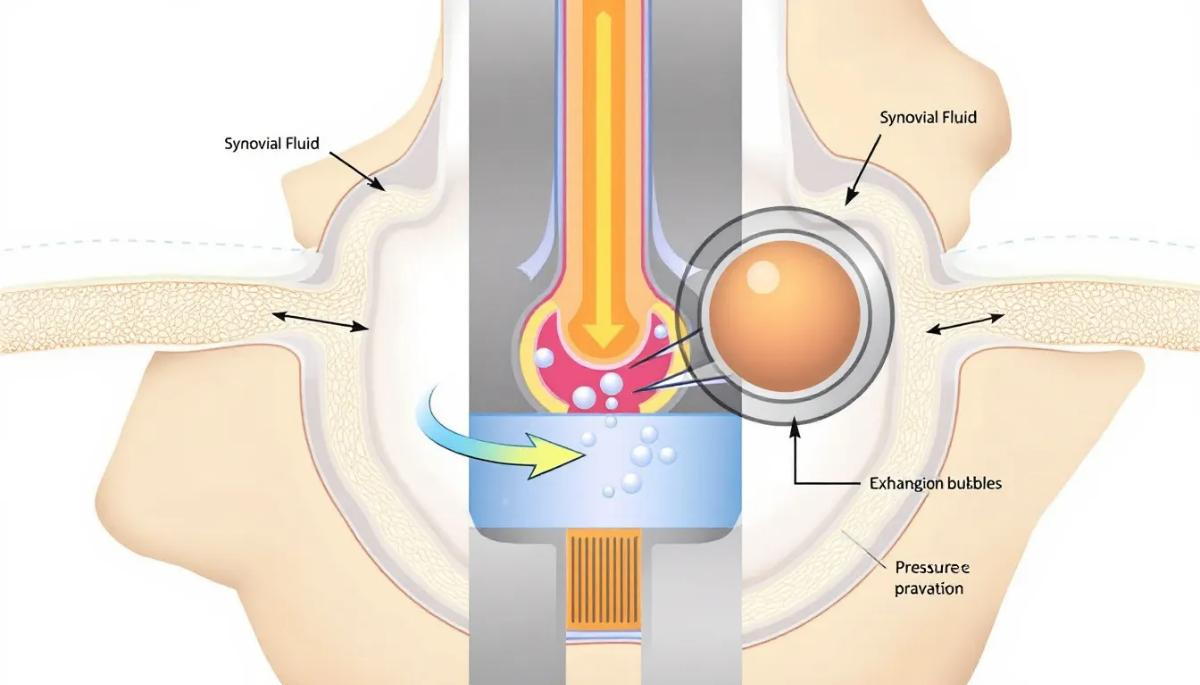
The popping sound during chiropractic adjustments is called cavitation - a harmless release of gas bubbles from joint fluid that occurs when nitrogen, carbon dioxide, and oxygen gases escape from synovial fluid due to pressure changes. This natural physiological process is completely normal and experienced by many patients during spinal adjustments.
Similar to cracking knuckles or opening a carbonated beverage, the sound represents a natural part of joint function rather than any form of damage. The popping sound does not indicate bones breaking, cracking, or any form of joint damage. Instead, it’s simply dissolved gases coming out of solution within the joint space.
Licensed chiropractors understand this process thoroughly and use controlled movements to achieve therapeutic benefits. The cavitation process happens in milliseconds and involves the same mechanism that occurs when you crack your knuckles - a completely benign event that many patients find satisfying and reassuring.
The science behind this phenomenon involves complex interactions between joint surfaces, synovial fluid, and dissolved gases that work together to maintain joint mobility and health. Understanding this process can help patients feel more comfortable during chiropractic treatment and focus on the therapeutic benefits rather than worrying about the sounds.

The Science Behind Cavitation
The cavitation process represents a fascinating intersection of physics and human anatomy. Synovial fluid plays a crucial role in joint lubrication and nutrition, containing dissolved gases including nitrogen, carbon dioxide, and oxygen that exist naturally in joint fluid. These gases remain dissolved under normal joint pressure conditions, much like carbon dioxide in a sealed beverage.
During chiropractic adjustments, the physics of pressure changes create rapid joint separation that temporarily reduces pressure within the joint space. This pressure drop causes dissolved gases to come out of solution and form bubbles, creating the characteristic popping noise. The timeline of the cavitation process moves from pressure drop to bubble formation to audible pop in less than 300 milliseconds.
This explains why the same joint cannot be “popped” again immediately after adjustment - a phenomenon known as the refractory period. The gases need approximately 20-30 minutes to redissolve into the synovial fluid before another cavitation event can occur. This natural limitation helps protect joints from excessive manipulation.
Recent research using real-time MRI imaging has revealed that the sound actually corresponds with the formation of gas bubbles rather than their collapse, supporting the tribonucleation theory. This scientific advancement has enhanced our understanding of what happens during successful adjustment procedures.
How Synovial Joints Function
Synovial joints represent the most mobile type of joint in the human body, featuring a complex structure including the joint capsule, cartilage, and synovial membrane. The joint capsule encases the entire joint, while the synovial membrane produces synovial fluid that serves multiple critical functions.
The role of synovial fluid extends beyond simple lubrication to include reducing friction and providing nutrients to joint structures. This remarkable fluid contains proteins, hyaluronic acid, and dissolved gases that maintain optimal joint pressure and function. In healthy joints, the normal gas content helps maintain proper joint pressure and spacing.
Synovial joints differ significantly from other joint types like fibrous or cartilaginous joints. The spine, knuckles, and major limb joints all contain synovial fluid, which is why these areas commonly produce popping sounds during chiropractic spinal adjustments. Understanding this anatomy helps explain why certain areas are more likely to cavitate than others.
The synovial membrane continuously produces and reabsorbs fluid, maintaining a delicate balance that supports joint health. This ongoing process ensures that joints remain properly lubricated and nourished, contributing to long-term spinal health and overall mobility.
The Moment of Cavitation
The actual moment of cavitation involves a precise sequence of events that occurs during the adjustment thrust. When a chiropractor applies a high-velocity, low-amplitude force, rapid joint distraction creates negative pressure within the joint space. This sudden pressure change causes dissolved gases to rapidly form bubbles.
The formation and immediate expansion of gas bubbles creates the audible sound that patients hear. This process only occurs with quick, specific movements rather than slow stretching because the pressure change must happen rapidly enough to overcome the gas solubility threshold. The precise technique and timing required explain why extensive training is necessary for licensed chiropractors.
During this brief moment, joint surfaces separate slightly, creating space for the gas bubble formation. The movement is carefully controlled to achieve therapeutic benefits while maintaining safety. This controlled separation helps restore proper joint mechanics and can provide immediate relief for many patients.
The technical precision required for effective cavitation demonstrates why chiropractic care should only be performed by licensed professionals. The combination of anatomical knowledge, proper technique, and understanding of joint mechanics ensures safe and effective treatment outcomes.
Is the Popping Sound Necessary for Treatment Success?
A common misconception among patients is that audible cavitation indicates successful treatment. However, clear evidence shows that the popping sound is not required for effective chiropractic treatment. Treatment success should be measured by pain relief, improved mobility, and functional outcomes rather than the presence or absence of joint sounds.
Numerous examples exist of effective adjustment techniques that rarely produce popping sounds, yet deliver excellent therapeutic results. Many patients achieve significant improvement in their symptoms without ever hearing the characteristic crack during their sessions. Clinical evidence consistently shows success without audible cavitation across various patient populations.
Patient testimonials frequently describe substantial pain reduction and improved range of motion following gentle adjustment techniques that produce minimal sound. These outcomes demonstrate that the therapeutic value lies in restoring proper joint function rather than creating audible releases. Focusing on the sound rather than treatment results can be misleading and may cause patients to overlook genuine improvements.
Research studies have found no statistically significant correlation between audible pops and better treatment outcomes. This scientific evidence supports the professional understanding that effective chiropractic care depends on proper technique and patient response rather than sound production. Licensed chiropractors focus on addressing the root cause of musculoskeletal conditions rather than simply producing cavitation.
The nervous system responds to proper joint movement and restored function regardless of whether cavitation occurs. This physiological reality means that patients can experience reduced pain, improved posture, and better overall well being without the dramatic popping sounds that many associate with chiropractic treatment.

Safety and Risks of Joint Cavitation
Extensive research demonstrates that cavitation is harmless when performed by licensed chiropractors who have completed proper extensive training. Professional chiropractic adjustments involve precise techniques designed to maximize therapeutic benefits while minimizing any potential risks. The controlled nature of professional manipulation differs significantly from random self manipulation attempts.
Comparing professional adjustments versus self-manipulation reveals important safety distinctions. Licensed chiropractors understand anatomy, contraindications, and proper force application, while self-manipulation lacks this scientific foundation. Attempting to crack your own spine or neck can lead to injury because the movements are uncontrolled and may exceed safe joint limits.
Rare complications can occur, particularly in certain patient populations with specific contraindications. However, serious adverse events remain extremely uncommon when treatment is provided by qualified professionals. Safety protocols used by chiropractors include thorough patient history, physical examination, and appropriate technique selection based on individual needs.
Long-term studies examining frequent joint cavitation and joint health outcomes have found no evidence that professional chiropractic care causes joint damage or arthritis. This research helps dispel concerns about long-term effects while supporting the safety of regular chiropractic treatment for appropriate candidates.
Chiropractors receive extensive training in recognizing when adjustments may not be appropriate for certain patients. This professional judgment helps ensure that chiropractic techniques are applied safely and effectively, contributing to positive outcomes and patient safety.
Debunking Common Myths About the Popping Sound
Several persistent myths surround the popping sound in chiropractic care, and addressing these misconceptions helps patients make informed decisions. One common myth suggests that louder pops indicate better adjustments, but this belief has no scientific foundation. The volume of the sound depends on factors like joint size, gas content, and individual anatomy rather than treatment effectiveness.
Another widespread misconception claims that the sound indicates bones moving back into place. In reality, the popping noise results from gas bubble formation in synovial fluid rather than bone repositioning. While joints may experience improved alignment and function, the sound itself doesn’t represent bones snapping into position.
The old wives tale that joint popping causes arthritis has been thoroughly debunked by scientific evidence. Long-term studies following individuals who regularly crack their knuckles found no increased incidence of arthritis compared to those who don’t. This research extends to professional chiropractic care, showing no correlation between cavitation and joint degeneration.
Many patients believe they need to hear a pop to know the treatment worked, but alternative success indicators provide better measures of progress. Improved range of motion, reduced pain levels, better sleep quality, and enhanced daily function serve as more reliable indicators of treatment success than auditory feedback.
The myth that all chiropractic techniques should produce popping sounds ignores the variety of effective methods available. Different approaches serve different patient needs, and the absence of cavitation doesn’t indicate ineffective treatment. Understanding this helps patients appreciate the full spectrum of chiropractic care options.
Different Chiropractic Techniques and Sound Production
Various chiropractic techniques produce different levels of audible cavitation, with high-velocity, low-amplitude (HVLA) techniques commonly creating the characteristic popping sounds. These traditional manual approaches remain popular and effective for many patients seeking immediate relief and improved joint mobility.
Gentle mobilization techniques rarely create audible pops but can be equally effective for pain relief and functional improvement. These approaches work gradually to restore joint function without the dramatic pressure changes that cause cavitation. Many patients prefer these quieter methods while still achieving excellent outcomes.
Instrument-assisted adjustments, such as the Activator Method, produce minimal sound while delivering precise, controlled forces to specific areas. These techniques use spring-loaded devices to provide consistent force application without the manual manipulation that typically causes cavitation.
Specific technique examples include Diversified, Gonstead, Thompson Drop, and SOT methods, each with distinct approaches to spinal health. Licensed chiropractors select techniques based on patient needs, comfort levels, and treatment goals rather than preferences for particular sounds.
The variety of available approaches ensures that patients can receive appropriate chiropractic care regardless of their comfort level with joint sounds. This flexibility allows chiropractors to customize treatment plans that address individual needs while maintaining effectiveness.
Traditional Manual Adjustments
Diversified technique represents the most common method producing cavitation sounds, involving precise hand placement and controlled thrusts to restore proper spinal alignment. This approach requires significant skill and practice to master, explaining why chiropractors undergo extensive training before practicing independently.
Gonstead technique emphasizes precise hand placement and controlled thrusts based on detailed analysis of spinal mechanics. This method often produces audible releases due to its focus on specific joint mobilization and restoration of normal function.
Manual techniques create optimal joint separation for cavitation through carefully applied forces that temporarily gap joint surfaces. The controlled nature of these movements ensures safety while achieving therapeutic objectives. Patient positioning and preparation play crucial roles in traditional adjustments, helping ensure comfort and effectiveness.
The skill required for effective manual adjustments demonstrates why chiropractic care should be sought from licensed professionals rather than attempting self manipulation. Proper technique application requires understanding of anatomy, biomechanics, and individual patient factors.

Low-Force and Instrument-Based Methods
The Activator Method utilizes spring-loaded instruments for gentle corrections that rarely produce audible pops. These devices deliver consistent force levels while allowing precise targeting of specific spinal segments. Many patients appreciate the gentle nature of instrument-assisted approaches.
Thompson Drop technique utilizes specialized tables with drop mechanisms that assist the adjustment process. The table sections drop slightly during the thrust, reducing the force required while maintaining effectiveness. This approach often produces less dramatic sounds while achieving excellent results.
Cranial-sacral therapy and other subtle manipulation approaches work with gentle pressures and movements that support natural healing processes. These techniques focus on supporting the body’s inherent ability to heal and restore function without forceful manipulation.
Low-force techniques are often preferred for patients with certain conditions, advanced age, or preferences for gentler approaches. The effectiveness of these methods demonstrates that successful chiropractic treatment doesn’t require dramatic cavitation sounds.
Physical therapy techniques may complement chiropractic care by addressing soft tissue components and supporting long-term improvements. The combination of different approaches can provide comprehensive care for various musculoskeletal conditions.
When to Be Concerned About Joint Sounds
Understanding the difference between normal cavitation and abnormal joint sounds helps patients recognize when evaluation may be needed. Normal popping sounds occur during movement and are not associated with pain, while concerning sounds may include grinding, persistent clicking, or popping accompanied by discomfort.
Warning signs that indicate potential joint problems include sounds accompanied by pain, swelling, or restricted movement. These symptoms suggest possible joint dysfunction that requires professional evaluation rather than simple cavitation. Persistent unusual sounds warrant attention from licensed chiropractors or other healthcare providers.
Grinding sounds, known as crepitus, may indicate cartilage wear or other joint changes that require different treatment approaches. Unlike the sharp pop of cavitation, grinding represents friction between joint surfaces and should be evaluated professionally.
When joint sounds occur with pain, immediate medical attention may be necessary to rule out injury or underlying conditions. The combination of unusual sounds with pain represents a red flag that shouldn’t be ignored or treated with self manipulation.
The importance of professional evaluation for persistent or concerning joint noises cannot be overstated. Licensed chiropractors can differentiate between normal and abnormal sounds while providing appropriate treatment recommendations. Early evaluation often leads to better outcomes and prevents progression of potential problems.
Excessive popping in joints without professional guidance may indicate minor ligament laxity or other issues that benefit from proper assessment. Understanding when to seek care helps ensure that joint problems are addressed appropriately rather than ignored or inadequately treated.
The Role of Licensed Chiropractors in Safe Treatment
Licensed chiropractors undergo extensive training in anatomy, biomechanics, and proper adjustment techniques to ensure safe and effective care. This education includes understanding when adjustments are appropriate and when alternative approaches may be better suited for individual patients.
The nervous system’s complex relationship with spinal function requires professional expertise to address effectively. Chiropractors understand how spinal adjustments can influence nervous system function and overall health, leading to comprehensive treatment approaches that go beyond simple symptom relief.
Professional chiropractic care addresses multiple aspects of musculoskeletal health, including posture improvement, pain management, and functional restoration. This comprehensive approach often produces better long-term outcomes than focusing solely on immediate symptom relief.
Regular chiropractic treatment can support overall health and well being by maintaining proper spinal function and addressing problems before they become severe. Many patients find that ongoing care helps prevent injuries and maintains optimal function for daily activities.
The combination of manual therapy skills, diagnostic expertise, and understanding of overall health makes licensed chiropractors valuable partners in maintaining spinal health. Their ability to recognize when problems require referral to other specialists ensures that patients receive comprehensive care.
Understanding Treatment Outcomes and Success Measures
Effective chiropractic treatment focuses on functional improvements rather than the presence or absence of joint sounds. Patients should evaluate progress based on pain reduction, improved mobility, better sleep quality, and enhanced ability to perform daily activities.
Range of motion improvements often occur following chiropractic adjustments, regardless of whether cavitation sounds are present. These functional gains represent meaningful progress that directly impacts quality of life and overall well being.
Pain relief remains a primary goal of chiropractic care, and many patients experience significant improvement without dramatic popping sounds. The absence of cavitation doesn’t indicate treatment failure, and patients should focus on symptom improvement rather than auditory feedback.
Better posture often develops as spinal function improves through appropriate chiropractic care. These changes may occur gradually and represent important progress even when dramatic immediate effects aren’t apparent.
Long-term benefits of chiropractic care include improved overall mobility, reduced likelihood of future injuries, and enhanced quality of life. These outcomes depend on proper treatment application and patient compliance rather than the production of joint sounds.

Chiropractic care serves as an important component of comprehensive healthcare, particularly for individuals dealing with neck pain, back discomfort, and other musculoskeletal conditions. The integration of chiropractic treatment with other healthcare approaches often produces optimal outcomes for patients seeking natural pain relief.
Understanding the science behind cavitation helps patients make informed decisions about their healthcare while reducing anxiety about joint sounds. This knowledge empowers individuals to focus on treatment outcomes rather than worrying about the popping noise during adjustments.
The popping sound during a chiropractic adjustment represents a fascinating example of physics and biology working together in the human body. Rather than indicating damage or concern, this sound demonstrates the complex interactions that occur within synovial joints during therapeutic manipulation.
For those considering chiropractic care or currently receiving treatment, remember that the presence or absence of popping sounds doesn’t determine treatment success. Focus on functional improvements, pain reduction, and overall well being as the true measures of effective care. Consult with licensed chiropractors to develop treatment plans that address your specific needs and goals, whether or not cavitation occurs during your sessions.
The safety and effectiveness of professional chiropractic care make it an excellent option for many individuals seeking natural approaches to pain management and improved function. By understanding what causes the popping sound and recognizing its benign nature, patients can approach chiropractic treatment with confidence and realistic expectations for their healing journey.