Restless Legs Syndrome: Symptoms, Causes & Effective Treatments
- posted: Aug. 18, 2025
Restless legs syndrome (RLS) triggers an intense urge to move your legs, often with unpleasant sensations. It typically worsens at night, disrupting sleep. This article covers RLS symptoms, causes, and treatments.
Key Takeaways
Restless Legs Syndrome (RLS) is a neurological and sleep disorder characterized by an intense urge to move the legs, particularly during periods of rest, which disrupts sleep and daily activities.
Diagnosis of RLS is primarily based on patient symptoms and medical history, with no definitive tests available; maintaining a symptom record can aid healthcare providers in forming an accurate diagnosis.
Effective management of RLS typically combines medications, lifestyle changes, and alternative treatments, with an emphasis on reducing aggravating factors such as caffeine and maintaining good sleep hygiene.
Understanding Restless Legs Syndrome (RLS)

Restless Legs Syndrome (RLS) is also referred to as Willis-Ekbom Disease. It is a neurological disorder characterized by an intense urge to move the legs, especially when at rest or inactive. This condition is not only a neurological issue but also classified as a sleep disorder due to its significant impact on sleep quality.
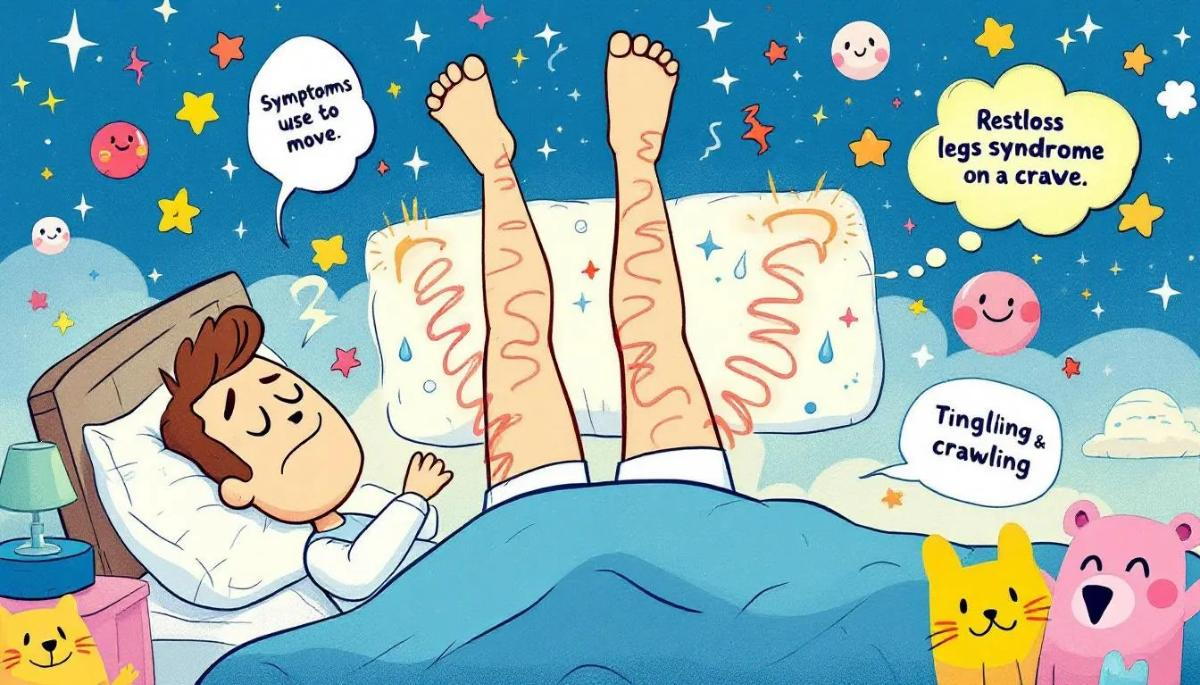
RLS is primarily characterized by an intense urge to move the legs, particularly when trying to relax or fall asleep. This urge is often accompanied by uncomfortable sensations like itching, pulling, or crawling in the lower legs, making sleep and rest difficult. Restless legs syndrome symptoms can further complicate these experiences.
Recognizing RLS as both a neurological and sleep disorder highlights its debilitating nature. It affects the brain and nervous system, leading to involuntary movements that disrupt sleep and daily life. This dual understanding underscores the need for comprehensive management strategies, as noted in Lancet neurology.
Common Symptoms of RLS

Symptoms of RLS are usually described as unpleasant sensations in the legs or feet, such as:
itching
pulling
crawling
throbbing
These sensations often appear in the late afternoon or evening and are particularly bothersome during rest or inactivity. The irresistible urge to move the legs is constant and disruptive, causing an overwhelming urge for frequent and disruptive leg movement.
One of the hallmark features of RLS is that symptoms worsen during the evening hours, often making it difficult to fall asleep or stay asleep. This sleep disruption can lead to significant daytime sleepiness, affecting overall quality of life. The sensations are usually relieved temporarily by movement, such as walking or stretching, but they tend to return once the person stops moving.
RLS is also associated with periodic limb movement during sleep, characterized by involuntary jerking. These movements further disrupt sleep, leading to fatigue and daytime sleepiness. Identifying these symptoms is key to seeking appropriate treatment and managing periodic limb movement disorder effectively.
Diagnosing RLS
RLS diagnosis relies on patient symptoms and medical history, as there is no definitive test. Healthcare providers depend on detailed descriptions of sensations, clinical features, symptom frequency and intensity, and the impact on sleep and daily activities. Keeping a detailed record can aid in discussions with healthcare providers for accurate diagnosis.
In some cases, polysomnography, or a sleep study, may be recommended, especially if there is severe sleep disruption. This test measures periodic limb movements during sleep and helps to differentiate RLS from other sleep disorders. Blood tests may also be conducted to check for underlying conditions that can contribute to RLS, such as:
Anemia
Iron or vitamin deficiencies
Diabetes
Kidney problems
Accurate diagnosis is crucial for effective treatment. Understanding specific symptoms and underlying conditions enables healthcare providers to develop a tailored treatment plan. Early diagnosis and intervention can significantly enhance the quality of life for those with RLS.
Causes and Risk Factors
The exact cause of RLS remains unclear, but it is believed to involve a substance called dopamine dysfunction in the brain. Dopamine regulates movement, and disruptions in dopamine levels can cause involuntary leg movements seen in RLS. Iron deficiency, crucial for dopamine regulation, has also been linked to RLS.
Genetics also play a significant role in RLS development, as the condition often runs in families. Specific genes have been identified that increase the likelihood of developing RLS. Knowing one’s family history can offer valuable insights into the risk.
Underlying health issues like peripheral neuropathy and chronic conditions such as diabetes are linked to an increased risk of RLS. These conditions can exacerbate symptoms by affecting the nervous system. Identifying and managing these underlying issues can aid overall RLS management and reduce symptom severity.
Treatment Options for RLS

Managing RLS typically involves a blend of medical treatments and lifestyle changes. Medications commonly used to treat RLS include:
Gabapentin
Gabapentin enacarbil
Pregabalin These medications, initially designed for other conditions, help reduce discomfort and improve sleep. Additionally, low-dose opioids may be prescribed for patients who do not respond to these treatments.
Non-medical treatments are also vital for managing RLS. Chiropractic care, including adjustments, massage, and heat therapy, can restore nerve function and alleviate symptoms. Moderate exercise is important, though excessive exercise can worsen symptoms.
Newer treatments like Tonic Motor Activation (TOMAC) and vibrating pad offer additional management options. TOMAC, an FDA-approved technology, provides a fresh approach to symptom management, while vibrating pads serve as a non-medication option. Electrical nerve stimulation, warm baths, and massages can also bring temporary relief.
Long-term RLS management often combines lifestyle changes with medical interventions. Reducing caffeine intake, maintaining a regular sleep schedule, and following a balanced diet can significantly improve symptoms. Addressing aggravating factors and combining various treatments can help individuals achieve better symptom control and enhance their quality of life.
Lifestyle Changes to Manage RLS

Lifestyle changes are crucial for effective RLS management. Important steps include:
Avoiding caffeine, alcohol, and smoking, as these can worsen symptoms.
Practicing good sleep hygiene, such as maintaining a regular sleep schedule.
Creating a comfortable sleeping environment to improve sleep quality.
Moderate physical activities like walking, stretching, and leg massages can relieve RLS symptoms. However, excessive exercise or late workouts should be avoided as they can worsen symptoms. Keeping a sleep diary to track sleep patterns and symptom severity can help identify effective management strategies, including regular exercise.
Warm baths and leg massages can alleviate discomfort and improve sleep quality. Incorporating these changes into daily routines can significantly reduce RLS symptoms and enhance overall well-being. These adjustments can help individuals take control of their condition and prevent restless legs syndrome, improving their quality of life.
When to Seek Medical Help

Seek medical help if:
RLS symptoms disrupt daily activities or cause significant sleep disturbances.
Persistent symptoms lead to daytime fatigue or sleepiness.
Unexplained sensations in the legs persist.
In these cases, consultation with a healthcare provider is necessary.
Recognizing severe impacts on sleep quality or daily functioning is crucial for timely medical intervention. A healthcare provider can perform a thorough evaluation, review medical history, and conduct necessary tests to determine the underlying cause of RLS and develop an appropriate treatment plan for a sleep condition in clinical sleep medicine and sleep medicine at a sleep clinic.
Early intervention can prevent early onset symptoms from worsening and enhance overall quality of life. If you or a loved one experiences persistent and disruptive RLS symptoms, seek professional medical advice. Timely intervention can lead to better management and relief.
Prognosis and Long-term Outlook
For many, RLS is a lifelong condition that can worsen RLS symptoms with age. Its prevalence increases with age and is generally more common in women. RLS occurs when symptoms of secondary rls often reappear and become more severe over time, making long-term management crucial.
RLS symptoms may worsen during pregnancy, particularly in the later stages. However, medications and lifestyle changes can significantly decrease symptoms decrease and improve quality of life. Managing underlying conditions and making necessary lifestyle adjustments can help individuals achieve better control over their symptoms, and in some cases, symptoms disappear.
The long-term outlook for individuals with RLS depends on the severity of symptoms and the effectiveness of treatment. With proper management and support, individuals can lead fulfilling lives and minimize the condition’s impact on daily activities.
Resources and Support
Support is crucial for managing RLS symptoms and improving quality of life. The RLS Foundation offers various support resources, including local and virtual support groups. These resources provide valuable information and a sense of community for those affected by RLS.
Certified RLS Quality Care Centers offer specialized care and management for RLS patients. These centers provide access to knowledgeable healthcare professionals who can offer tailored treatment plans. Educational materials and webinars by the RLS Foundation help educate the community about RLS and available treatment options.
Utilizing these resources and support systems can significantly impact RLS management. Connecting with others who understand the challenges and accessing specialized care can help individuals improve their quality of life and find effective symptom management strategies.
Summary
In conclusion, Restless Legs Syndrome (RLS) is a challenging condition that affects millions of people worldwide. Understanding the symptoms, causes, and treatment options is crucial for effective management. Through a combination of medical treatments and lifestyle changes, individuals with RLS can achieve better control over their symptoms and improve their quality of life.
By seeking support from healthcare providers and utilizing available resources, those affected by RLS can find relief and lead fulfilling lives. If you or a loved one is experiencing symptoms of RLS, don’t hesitate to seek professional help and explore the various treatment options available.
Frequently Asked Questions
What are the common symptoms of Restless Legs Syndrome (RLS)?
The common symptoms of Restless Legs Syndrome (RLS) include uncomfortable sensations such as itching, pulling, or crawling in the legs, especially in the evening. These sensations typically intensify during periods of inactivity and can significantly disrupt sleep.
How is RLS diagnosed?
RLS is diagnosed through a thorough assessment of patient symptoms and medical history, alongside potential polysomnography for severe cases and blood tests to identify conditions like anemia or iron deficiencies. Thus, a comprehensive evaluation is essential for an accurate diagnosis.
What causes RLS?
RLS is primarily caused by dopamine dysfunction in the brain, along with potential iron deficiency. Genetic predispositions and health conditions like peripheral neuropathy and diabetes can also contribute to its development.
What treatment options are available for RLS?
Effective treatment options for Restless Legs Syndrome (RLS) include medications like gabapentin and opioids, alongside lifestyle changes and newer therapies such as TOMAC and vibrating pads. Addressing any underlying conditions is also crucial for symptom management.
When should I seek medical help for RLS?
You should seek medical help for RLS if symptoms disrupt your daily activities, cause significant sleep disturbances, or lead to persistent daytime fatigue and unexplained sensations in the legs. Consulting with a healthcare provider is crucial in these situations.